Choose the right digging tool

Choose the right digging tool

The right tool for the job comes down to two things: the task at hand and the soil you're working with. There are many types of shovels and spades, including post hole shovels, shifting shovels, post hole pincers, and garden spades, and each one is built for a specific job such as moving soil or digging narrow holes.

Whether you're gardening, landscaping, or tackling general outdoor digging jobs, choosing the right shovel or spade for the job makes it more efficient. Read on to compare shovel and spade types, see how they suit different soil conditions, understand when manual or powered digging tools make more sense, and pick up a few safety and maintenance basics before you make your choice.

Post Hole Shovels

Versatile for Deep and Narrow Holes


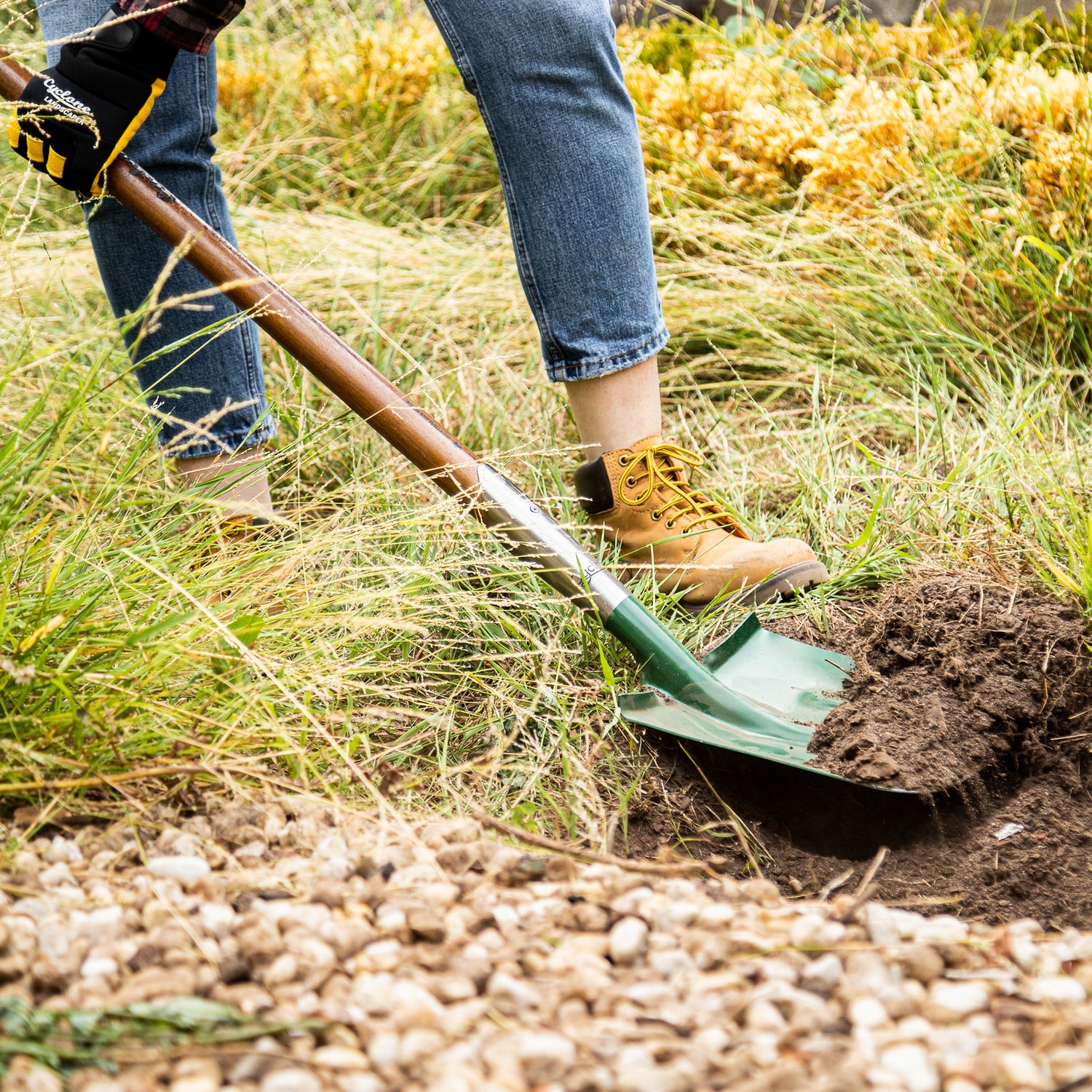
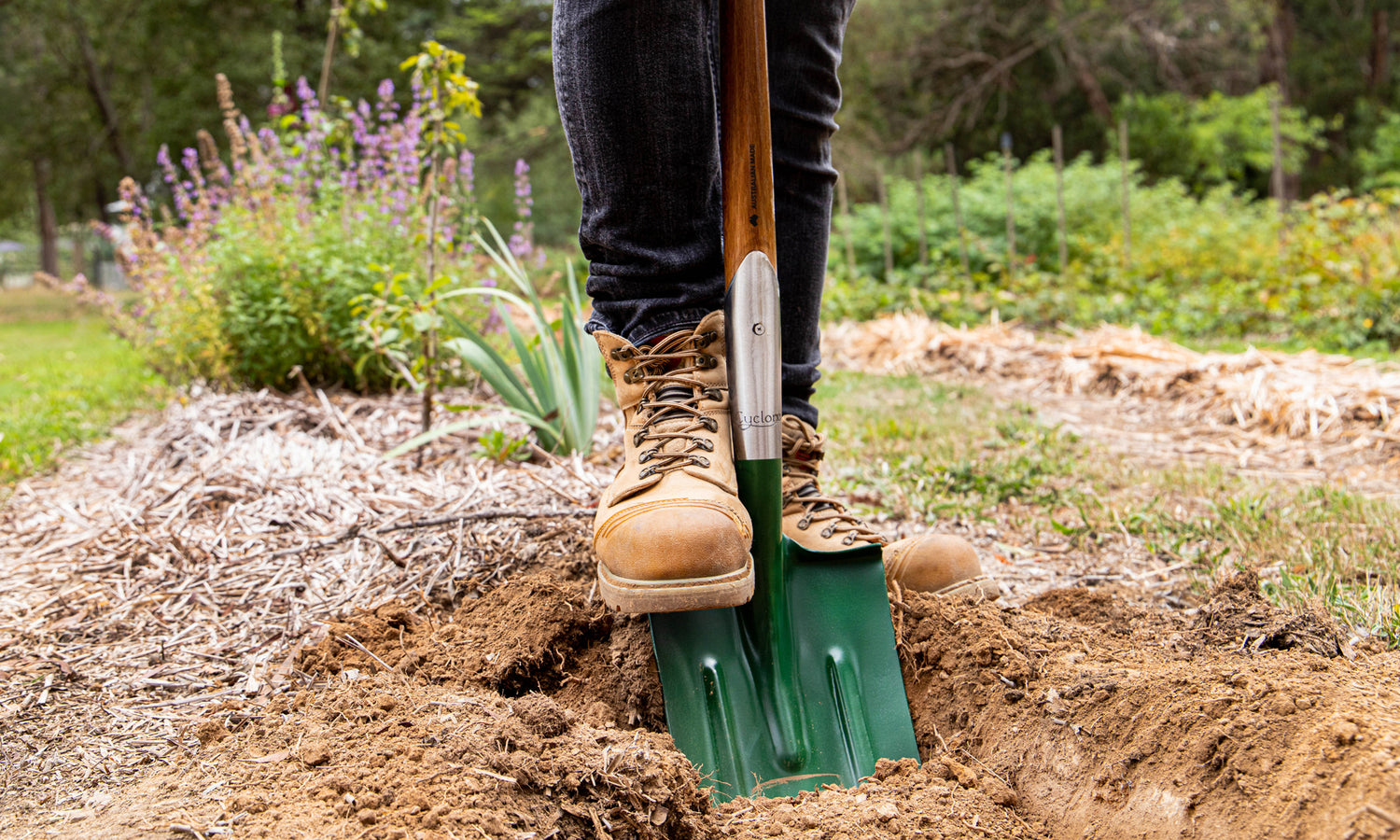
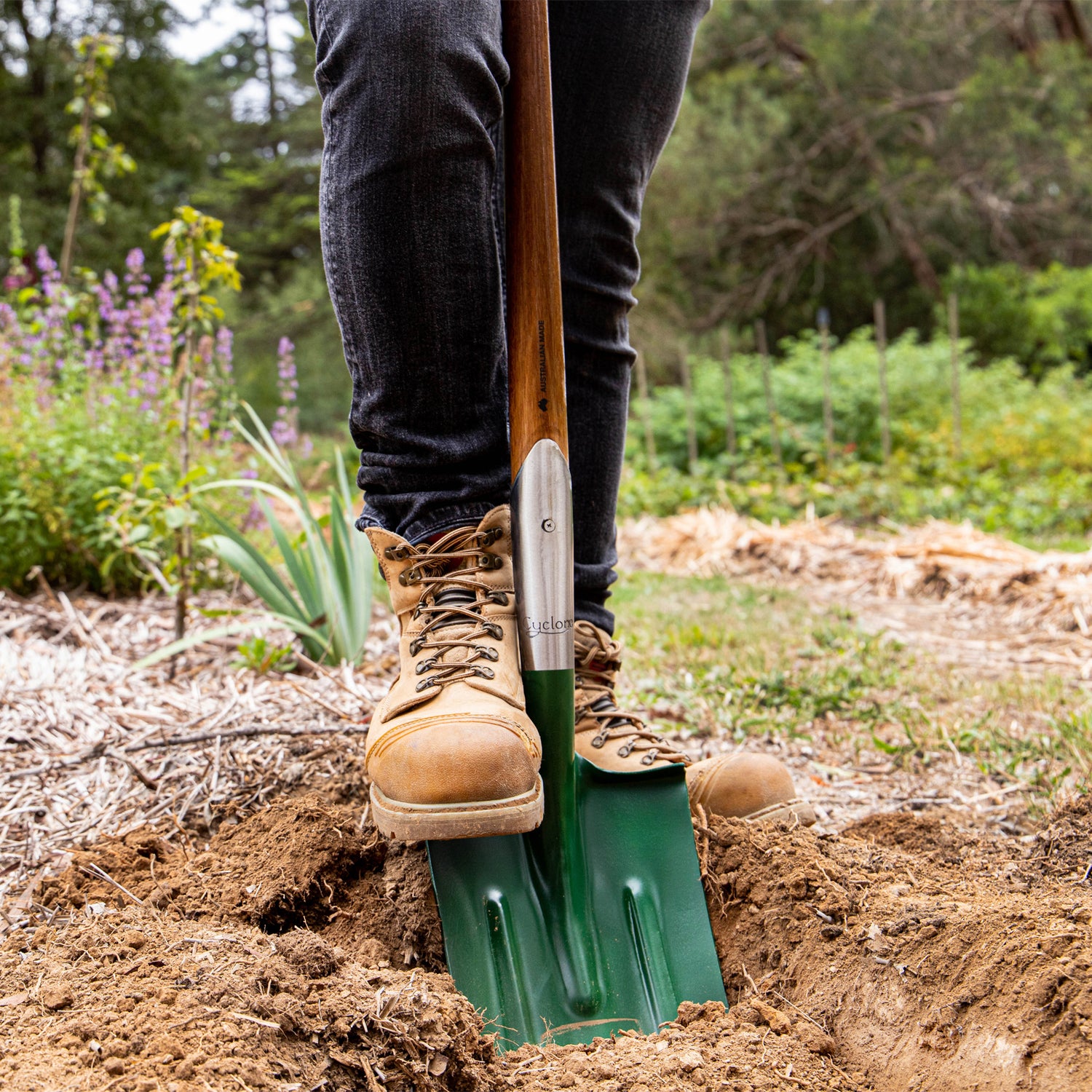
Everyone needs a good multi-purpose digging shovel in their shed, and Cyclone’s Post Hole Shovel is a must-have. It’s perfect for a wide variety of tasks — from creating deep, narrow holes for fence posts, to shifting materials and carving out trenches.

Designed with a long and narrow blade, a slightly concave blade profile and a sharp edge, this is more than your standard digging shovel. It functions like a post hole digger and is also ideal when you need precision without losing digging power.

Shifting Shovels

Built to Move More in Every Scoop

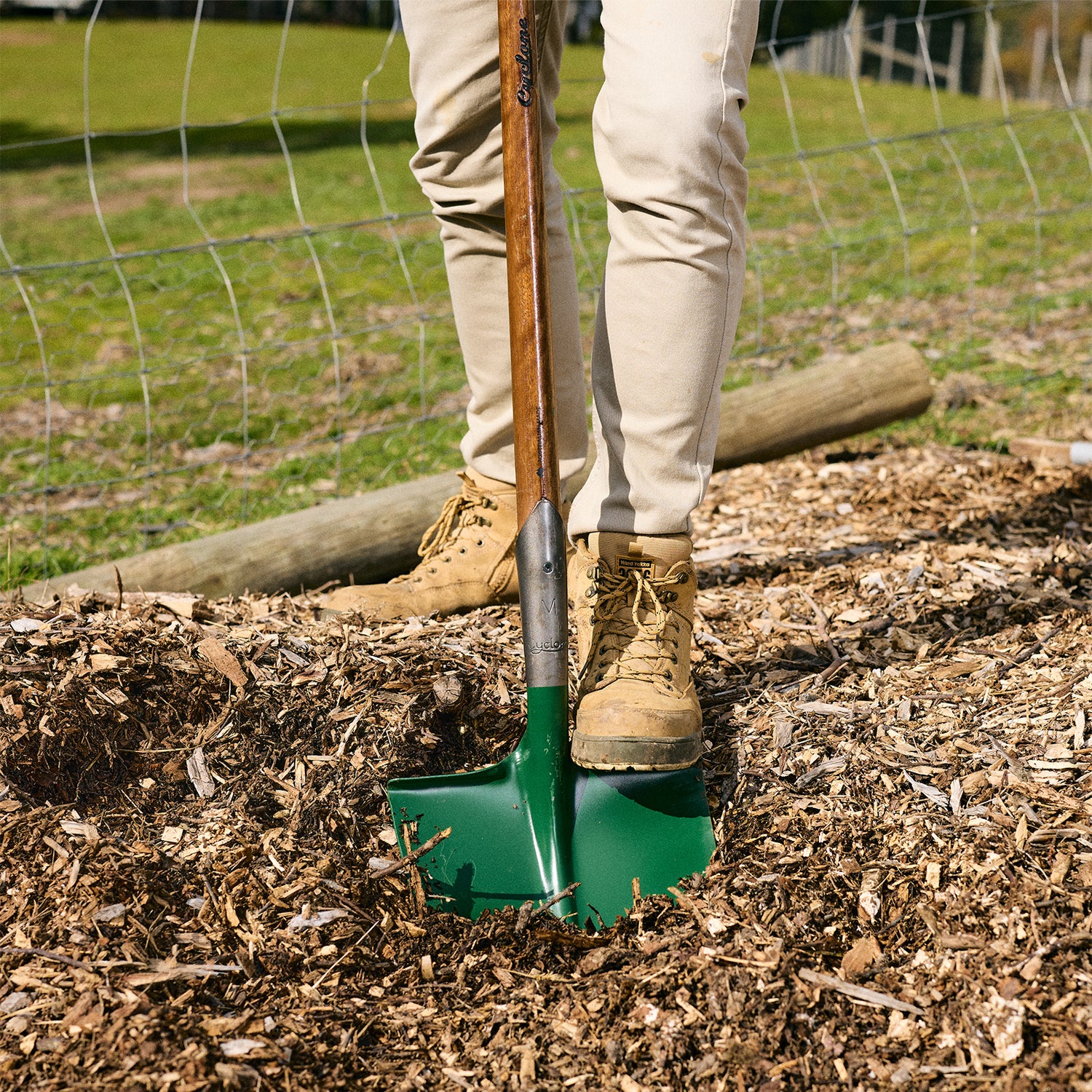
There are so many things to shift around the garden - from pebbles, soil, gravel to garden waste. Cyclone’s Shifting Shovels feature shovel blades that are larger and deeper than standard ones.

These scoop shovels are built to hold more material, making each job quicker with fewer repetitions. Whether you’re working with lighter materials like tanbark or heavy debris, they’re ideal when speed and volume matter.

Post Hole Pincers

Efficient Hole Digging Without Strain


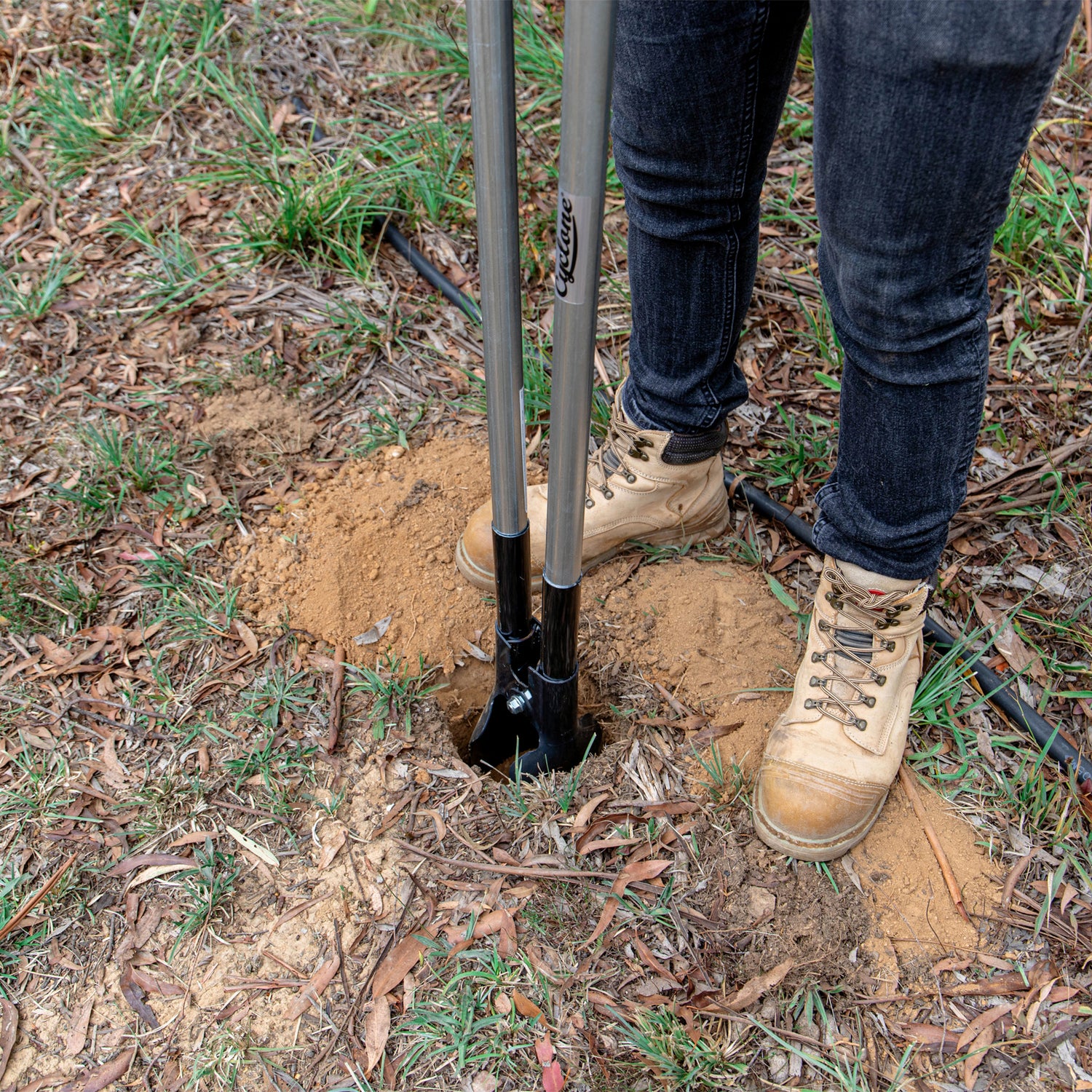
If you’re building a fence or planting multiple trees, Cyclone’s Post Hole Pincer is right fit. The unique scissor action and curved design deliver consistent hole depth and width, making it a reliable alternative to traditional pointed shovels or spades.

Its straight handles allow you to remove soil from a standing position, reducing strain on your back. This is particularly useful when installing posts or engaging in repetitive digging tasks. For deep and narrow precision, it’s a great tool to complement any garden trowel or spade.

Garden Spades

Precision and Power in Tough Soil


When planting or maintaining your garden, Cyclone’s Garden Spade is the perfect match. With a flat, narrow head and straight shaft, it’s ideal for edging, slicing through turf, and deep planting. This is your go-to when a flat shovel is needed to control pressure and depth.

Great for working through hard, compacted soil or making clean edges, this spade supports everything from laying out beds to shaping paths. Compared to a hand shovel, it offers greater reach and control while still being compact enough for detail work.

Match the tool to your soil

Soil type affects how easy a job is, regardless of which tool you're using:

Loose or sandy soil: easiest to work with any shovel, ideal for general digging or moving gravel and mulch with less force.

Compacted soil: a spade's flat head cuts through compacted ground more easily than a shovel, though round point shovels can also work well in hard soil because their shape penetrates better than wider blades.

Clay or dense dirt: a narrow blade, such as a spade, tends to cut through clay more cleanly than a wide shovel.

Rocky soil: heavier going for any hand tool, and shovels and spades aren't built for breaking through a hard surface. See below for tools better suited to rocky ground.

Match the tool to your project

Not sure where to start? Match your project to the tool built for it:

  • Building a fence? You need a Post Hole Shovel or Post Hole Pincer to dig clean, narrow holes for your posts.
  • Planting trees or garden beds? A Garden Spade gives you the precision to cut through turf.
  • Moving soil, mulch or gravel? A Shifting Shovel's wider, deeper scoop shifts material in fewer trips.
  • Laying irrigation lines or cable trenches? Reach for a Trenching Shovel, built with a narrow blade this tool is ideal for digging and clearing narrow trenches.
  • Digging multiple post holes or working compacted ground? An auger from Cyclone's Augers & Pincers range will save you time and effort.
  • Clearing rocky or heavy clay ground? Picks & Mattocks are built to break through where a standard shovel or spade won't.

Safety and maintenance tips

  • Lift with your legs rather than your back when moving heavy material; a long handle shovel can also reduce bending and lower back strain.
  • Wear gloves and eye protection when sharpening blades.
  • Clean soil off steel blades after use to help prevent rust.
  • A sharp edge and a solid grip make digging easier and reduce strain, and a D-grip handle can improve control and comfort during repeated digging.