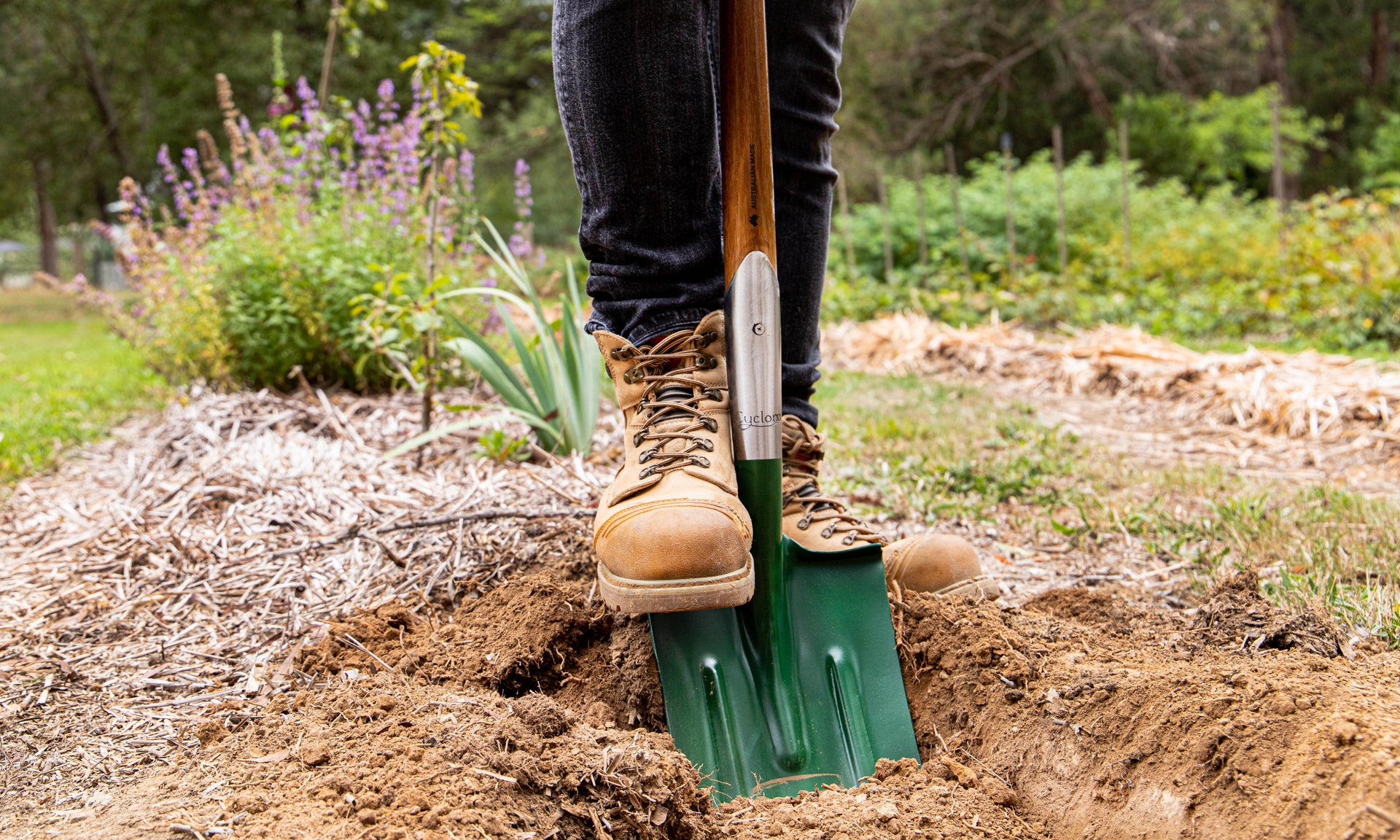

Choosing between a shovel and a spade is not just semantics. Blade shape, handle type, and construction all play a big role in how a tool performs in heavy clay, compacted gravel, sandy beds, or rocky ground. The right digging tool makes jobs faster, safer, and less punishing on your body - especially when repeatedly digging holes or lifting heavy material.
This guide unpacks the key differences between common types of digging tools, and how to choose the right tool for your soil and the job, whether you’re planting, edging, trenching, or shifting material. Cyclone shovels and spades are designed to meet the needs of any Aussie gardener, from quick weekend garden jobs to biggerlandscape projects.
While the terms are often used interchangeably, shovels and spades are designed for different jobs.
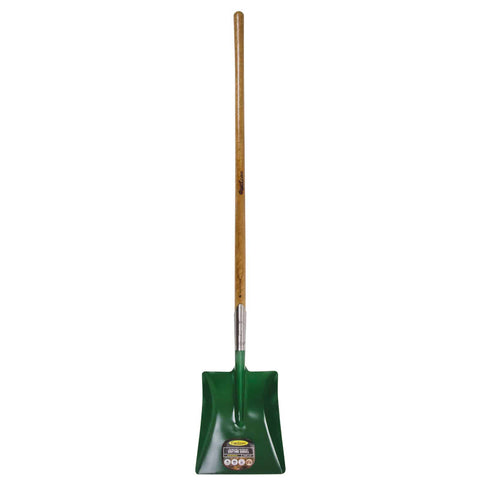
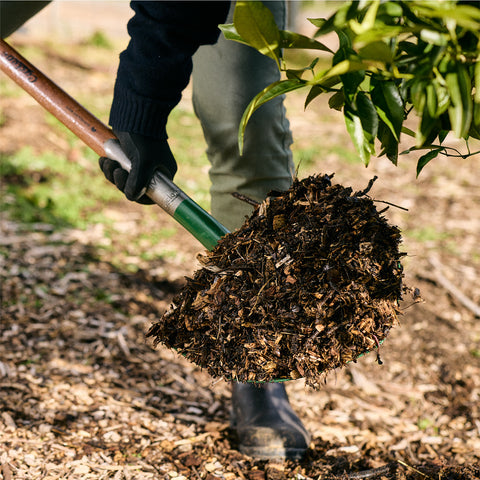
Shovels usually feature a more curved blade with more dish for lifting and moving loose material like soil, sand, or mulch. There are many types of shovels designed for specific garden jobs but overall, they are great for digging, shifting and trenching work.
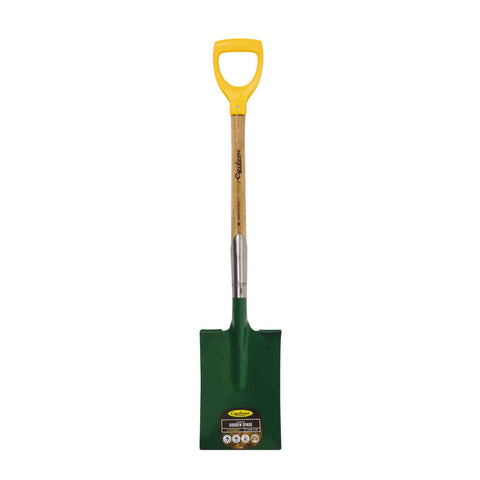
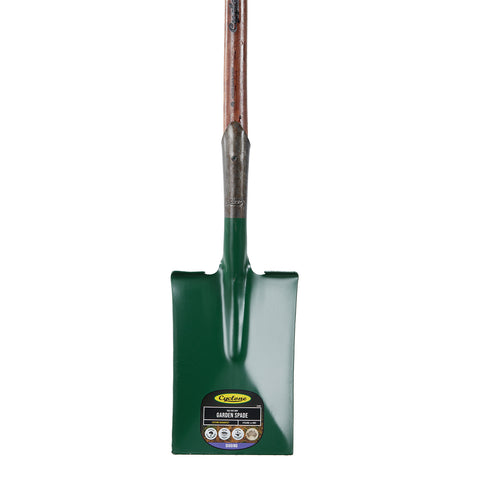
Spades, on the other hand, have a flatter, square blade with a straighter cutting edge. This makes them ideal for digging in a garden bed, planting plants or defining a garden / lawn edge.
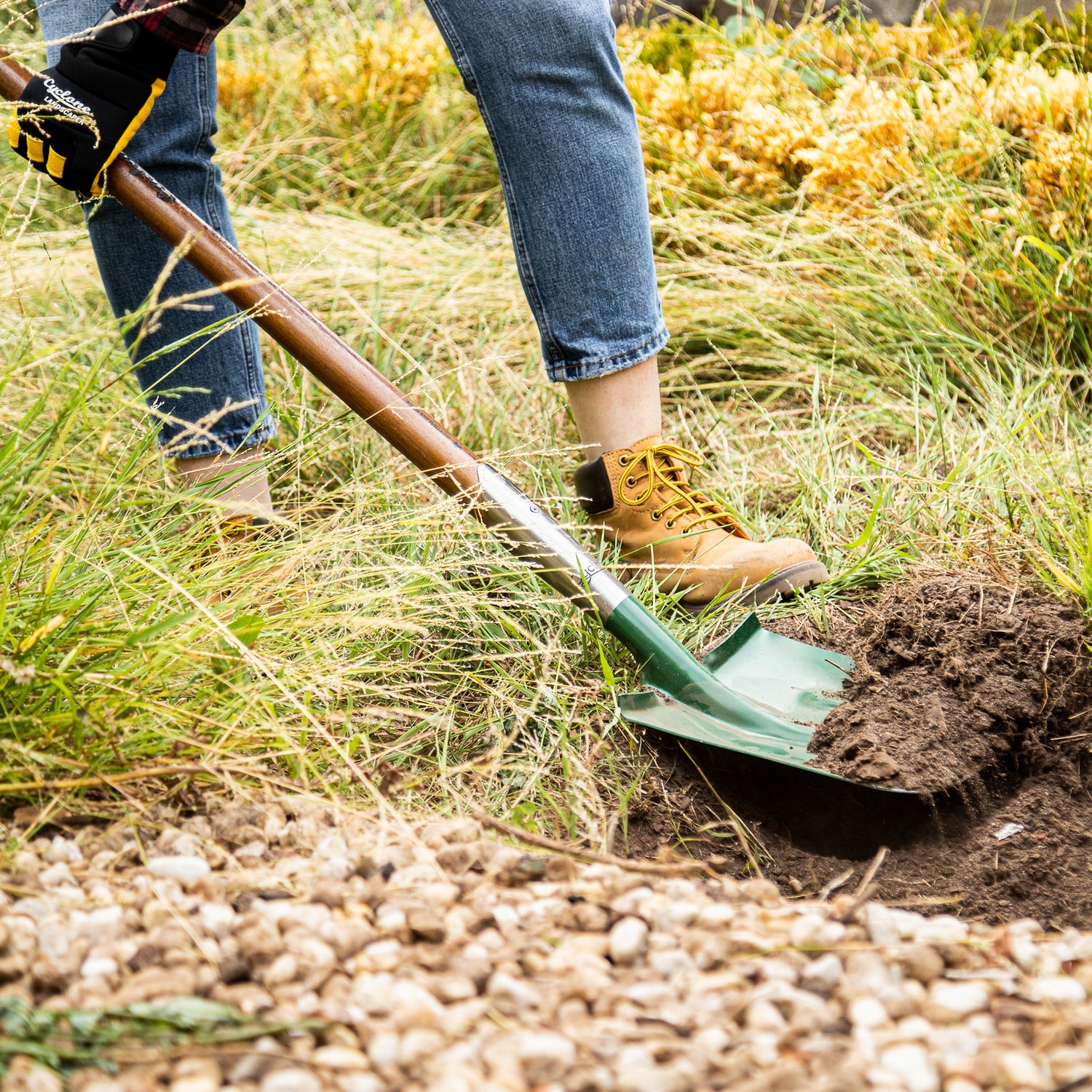
Digging and shifting shovel – Best for digging, shifting and loading compact materials, including dry soil and sand.
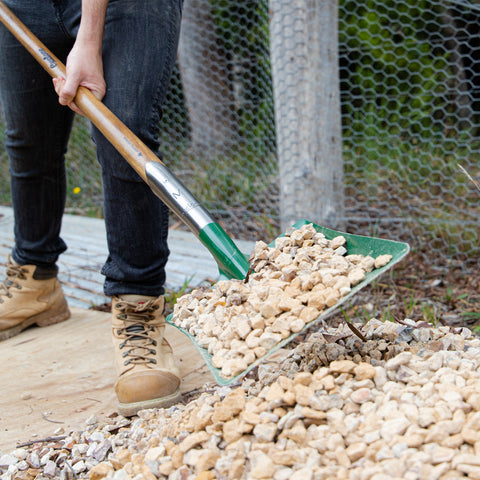
Shifting and spreading shovel – Best for shifting, loading and spreading materials including soil, stone, mulch, concrete and garden debris.
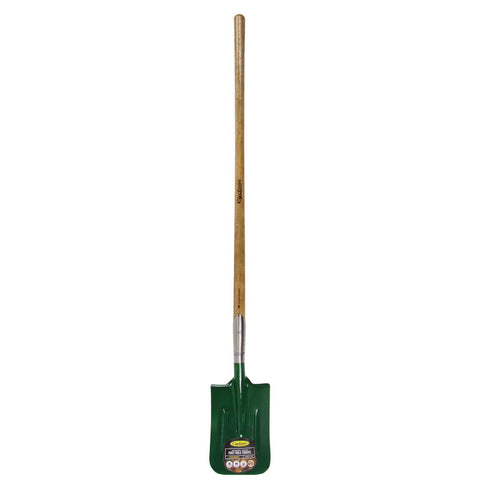
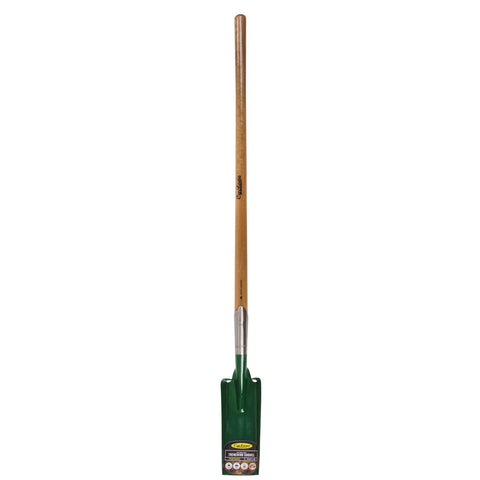
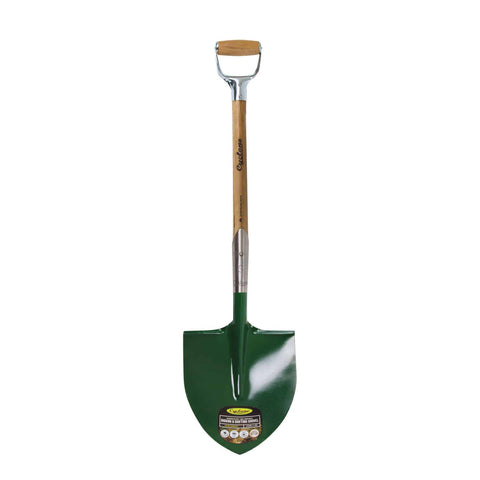
Post-hole shovel – A perfect general-purpose shovel best for digging and clearing post holes, fencing and digging out shallow trenches.
Trenching shovel – Best for digging and
clearing long, narrow trenches, installing drainage and laying pipes and
cables.
Garden spade (flat edge) – Best for for digging in a garden bed, planting plants or defining a garden / lawn edge.
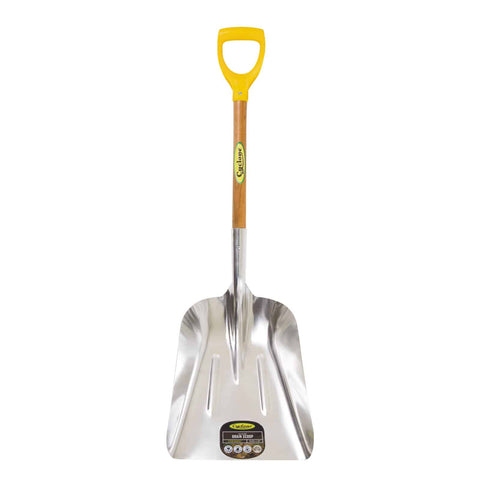
Scoop – Best for shifting and loading light material like grain, ash and wood shavings.
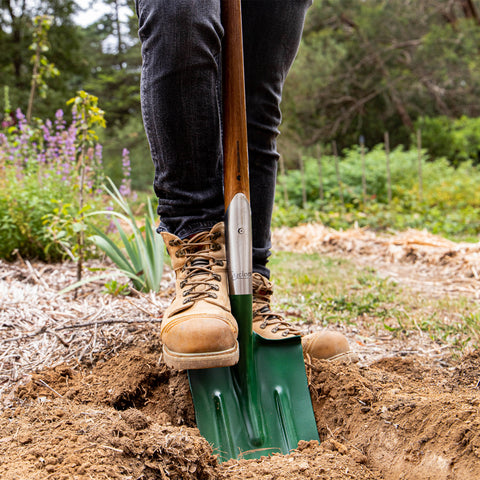
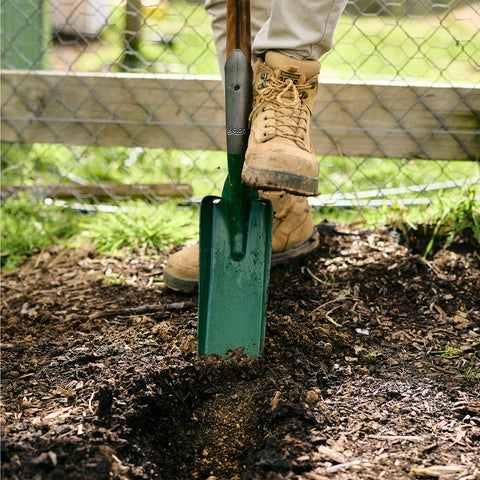
Australian gardens present a wide range of soil conditions. Heavy clay demands strong construction, reinforced sockets, and foot treads to help drive the blade into the ground.
A plumber’s shovel features an aggressive pointed narrow blade, making it the perfect tool for digging through strong clay and roots. Sandy soil is easier to penetrate so a digging and shifting shovel works well for quickly shifting larger volumes.
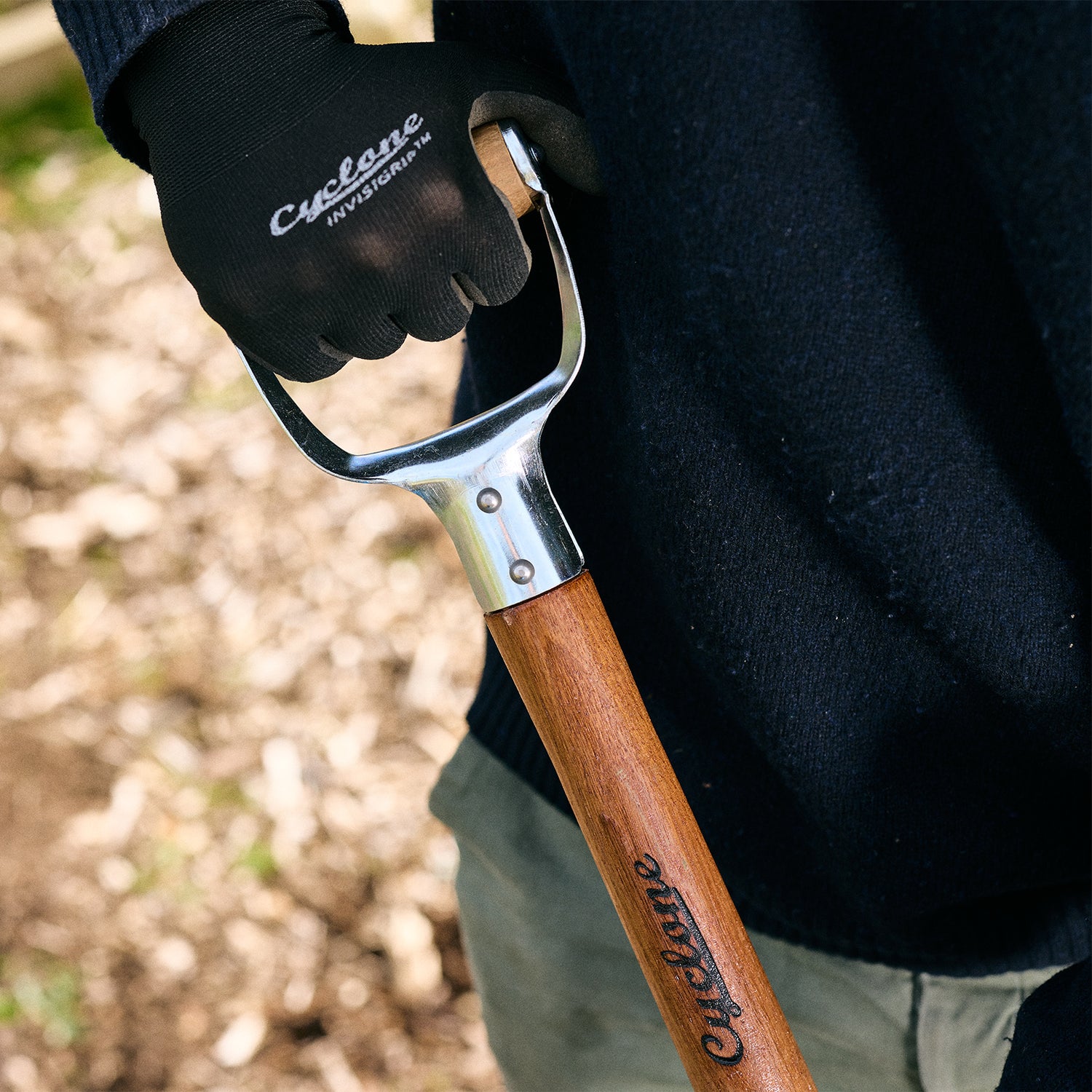
Handle material and design are just as important as the blade. Hardwood handles offer natural flex and feel comfortable in the hands. Fiberglass handles are weather-resistant and reduce shock.
D-handles offer greater control when working in confined spaces, while longer handles increase leverage for trenching and scooping. A long handle shovel (or long handle spade) can reduce bending and help with posture - ideal if you’re doing frequent digging work. A shorter handle is perfect for close work and when using a wheelbarrow.
Explore Cyclone's range of high-performance shovels and spades.
Answers to common questions about picking the right digging tool.
A spade is better for edging thanks to its flat blade and straight cutting edge.
A plumber’s shovel with a strong socket, foot treads, and a narrower blade works best.
Fiberglass is highly durable and weatherproof, while wood offers natural flex. Strength depends on construction quality.
Foot treads are highly recommended for clay or compacted soils as they improve
control and reduce strain.
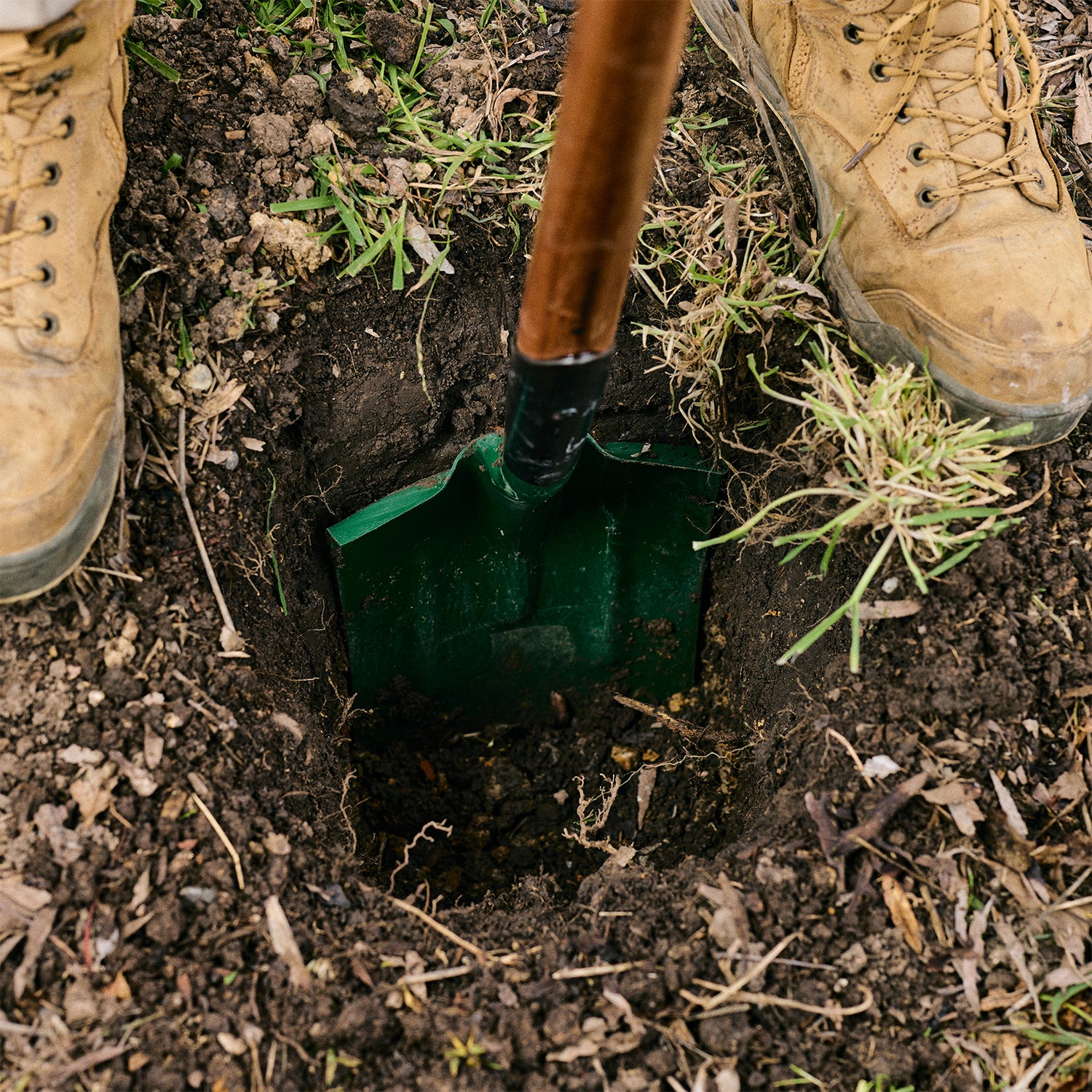
Start by deciding the job and soil type then select the blade shape, handle type, and grip that feels natural in your hands. Check balance with a realistic load, look for durable sockets and foot treads if working in clay, and keep your tools clean and sharp to reduce wear and tear over time.
Choose well once, and every dig becomes easier on your back - and you can continue working comfortably across a wider variety of garden tasks.
If you’d like help choosing tools to meet your needs, find your local store or browse our website.