Pruning Guide: When & How to Prune Hedges in Australia

Picking the right pruning tools make the job easier. It also gives you greater control, allowing you to shape your hedges accurately.

Common hedges in Australian gardens

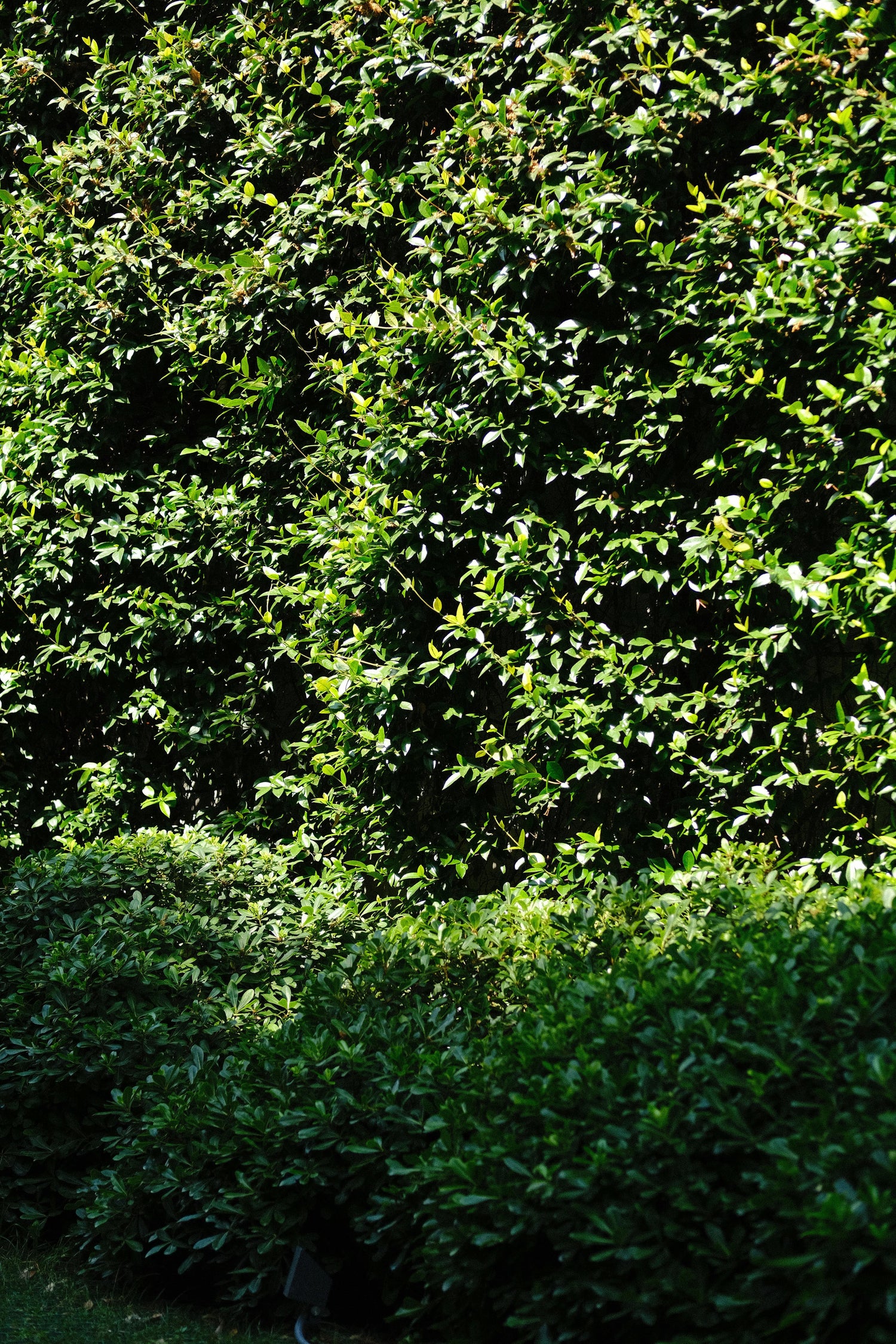
Hedges not only bring structure and form to a garden; they also greatly enhance the look and feel of a space. They provide shelter and privacy and can be used to define spaces or create outdoor “rooms.” They also break up hard surfaces such as fences and pathways with a bit of greenery, giving the garden a softer, more inviting look.

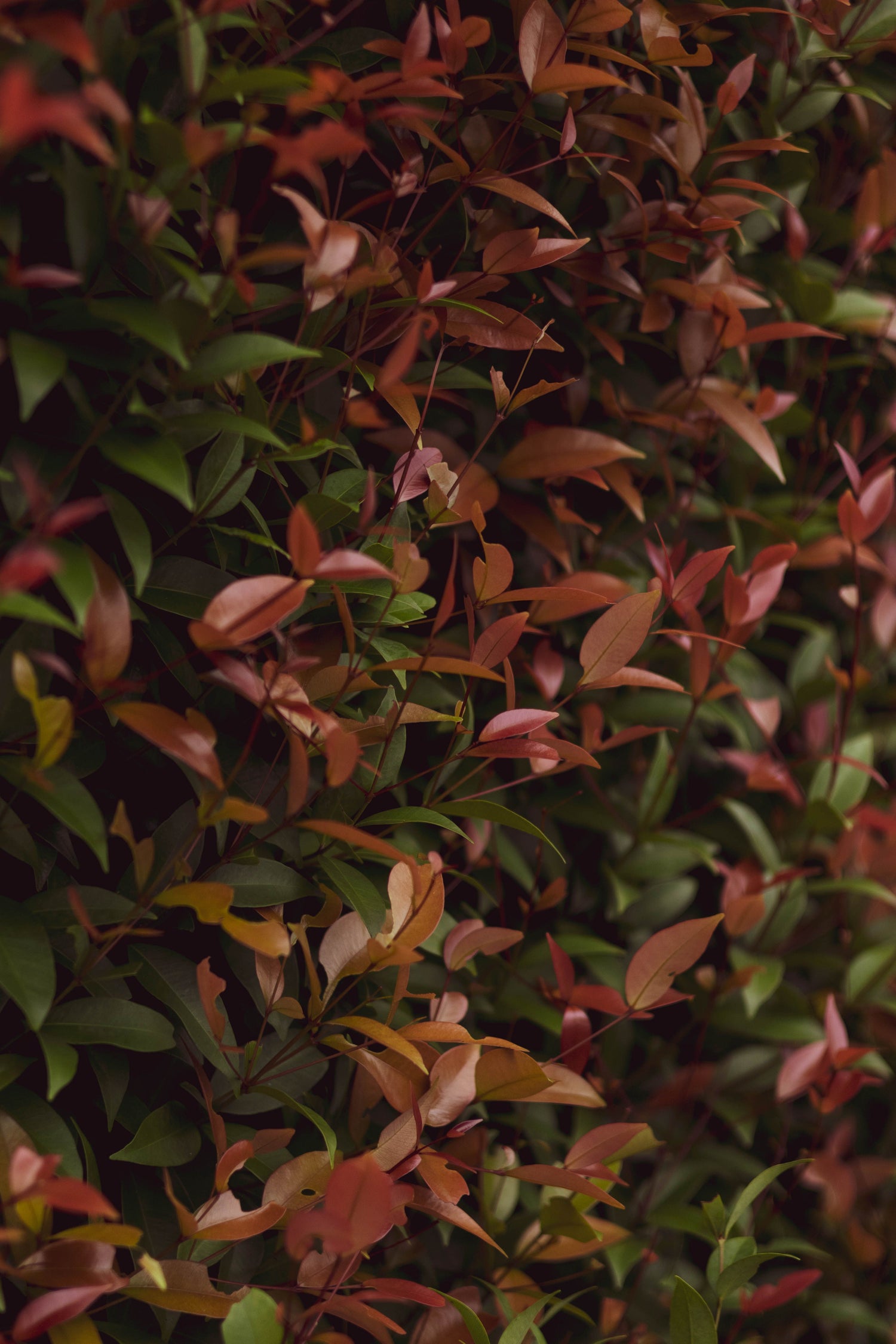
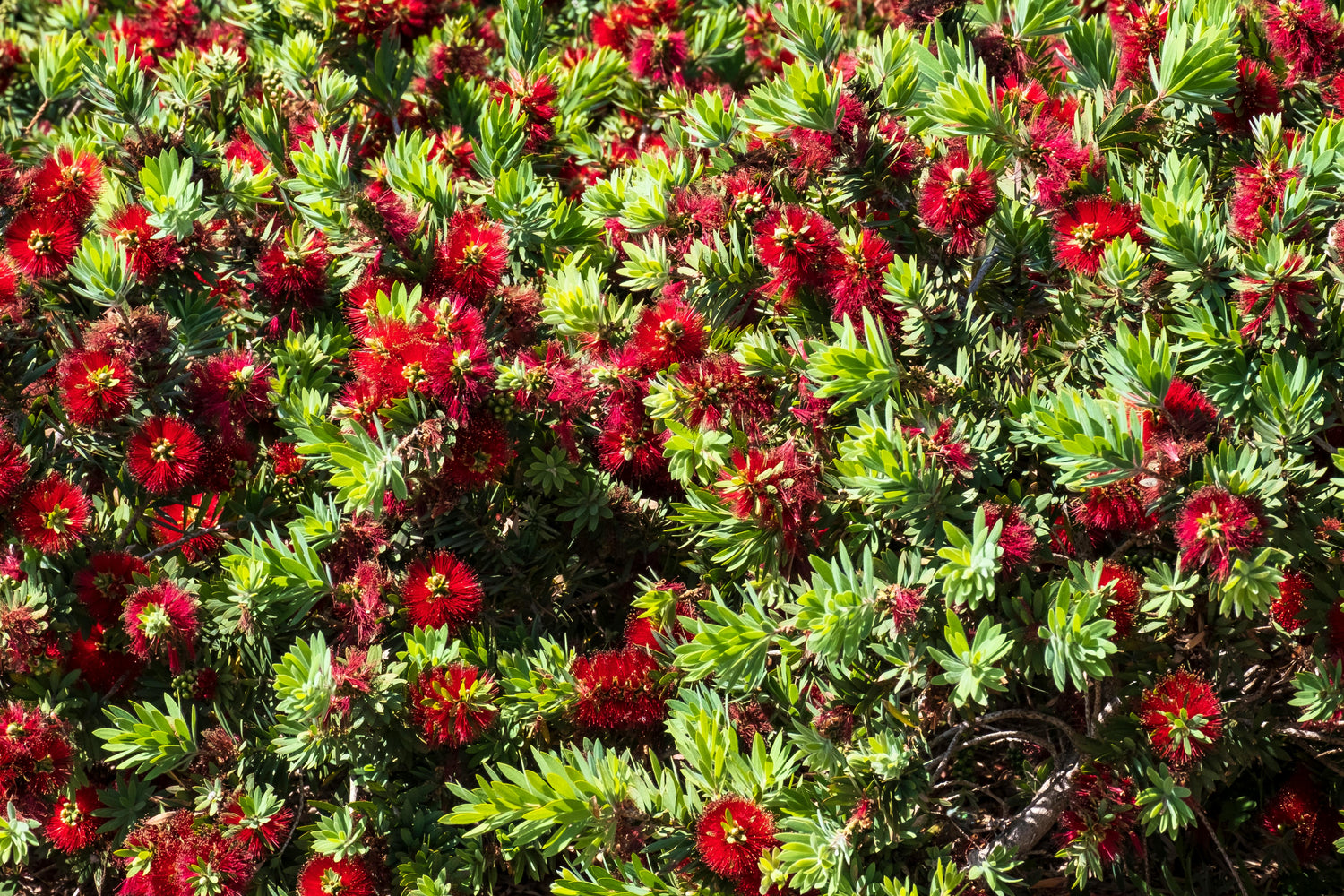
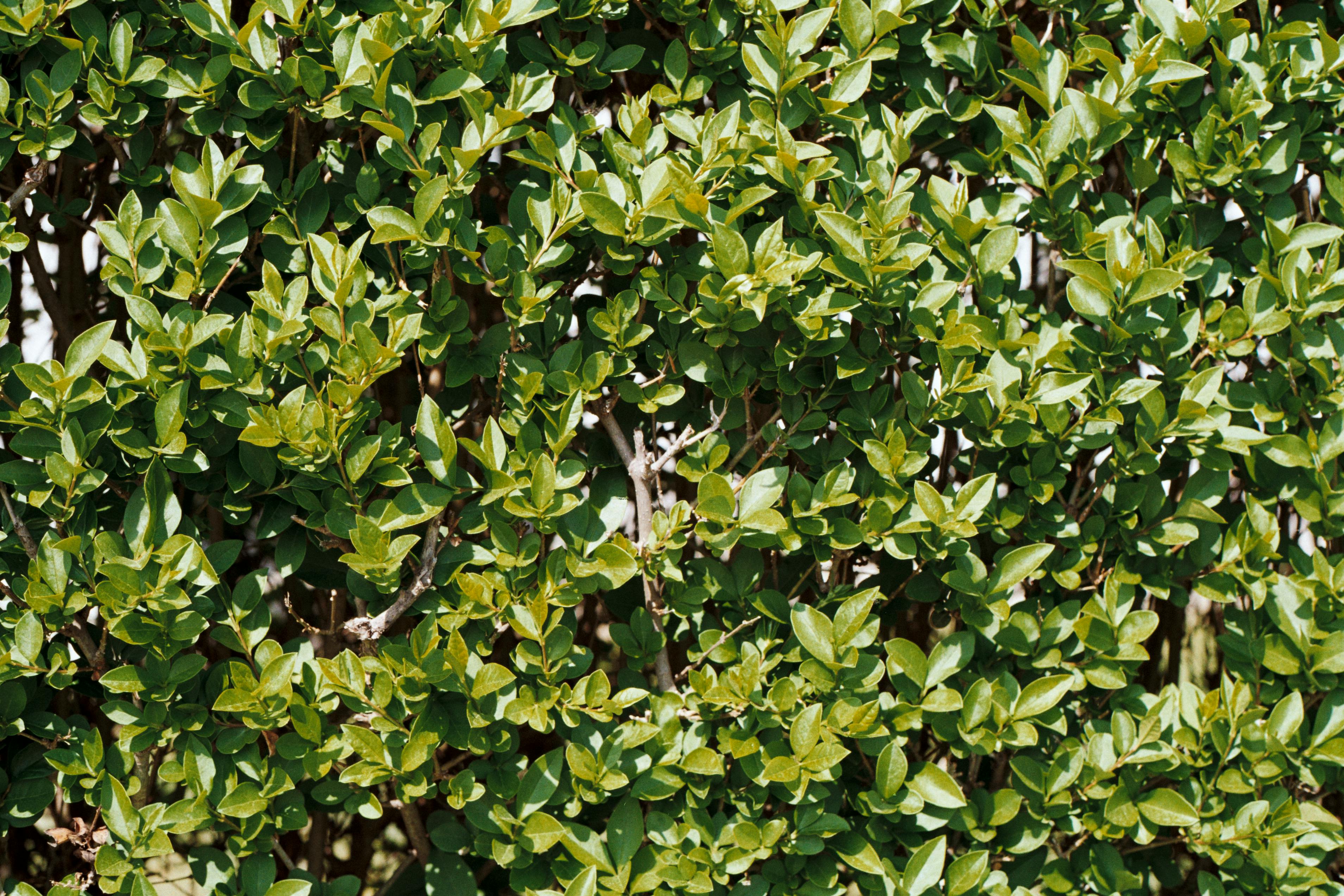
Evergreen hedges like Lilly Pilly, Portuguese Laurel (Prunus lusitanica), Laurustinus (Viburnum tinus) and Pittosporum keep the garden looking lush and full all year round. Flowering hedges like Camellias and Callistemons bring form and a splash of colour to the garden – as well as a steady stream of pollinators. Then there are the deciduous hedges, like Beech or Hornbeam, which lose their leaves in winter but come back with fresh seasonal growth and beautiful autumn colour.

What to consider before pruning hedges

First, think about whether you want a formal tight-knit hedge or something less formal that still allows the natural beauty of the plant to shine through.

A formal hedge brings structure and symmetry to a space, making the garden feel elegant and timeless. Formal hedges benefit from regular trimming to maintain their clean lines and uniform shape. In contrast, informal hedges create a softer, more relaxed look. They have a natural shape that blends more easily into a landscape and they don’t need to be clipped so often.  

Whether formal or informal, pruning is what transforms a row of plants into a long-lasting, good-looking screen. And as a bonus, there’s something wonderfully therapeutic about taking the time to shape a hedge - equal parts practical and meditative.

How to Prune a Formal Hedge - the Simple Three Step Guide

Step 1

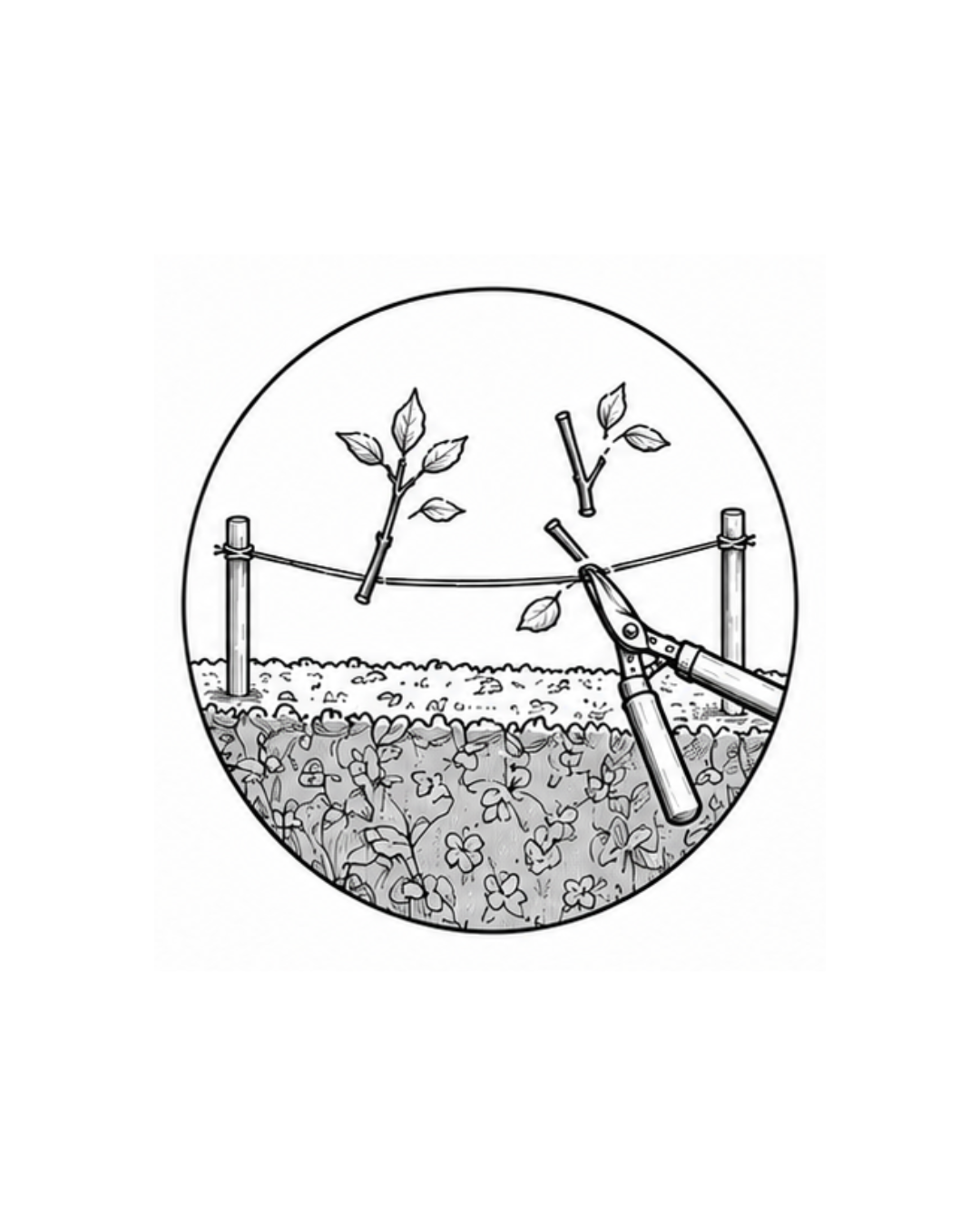
Remove any dead, damaged or diseased growth. Once that’s done, you can move on to shaping and trimming. If you don’t trust your eye, then set up a string line between stakes as a guide.

For taller hedges, keep the base slightly wider than the top. The angle only needs to be subtle, but this shape allows sunlight to reach the lower branches, helping prevent thin or patchy growth near the bottom of the hedge.
Step 2

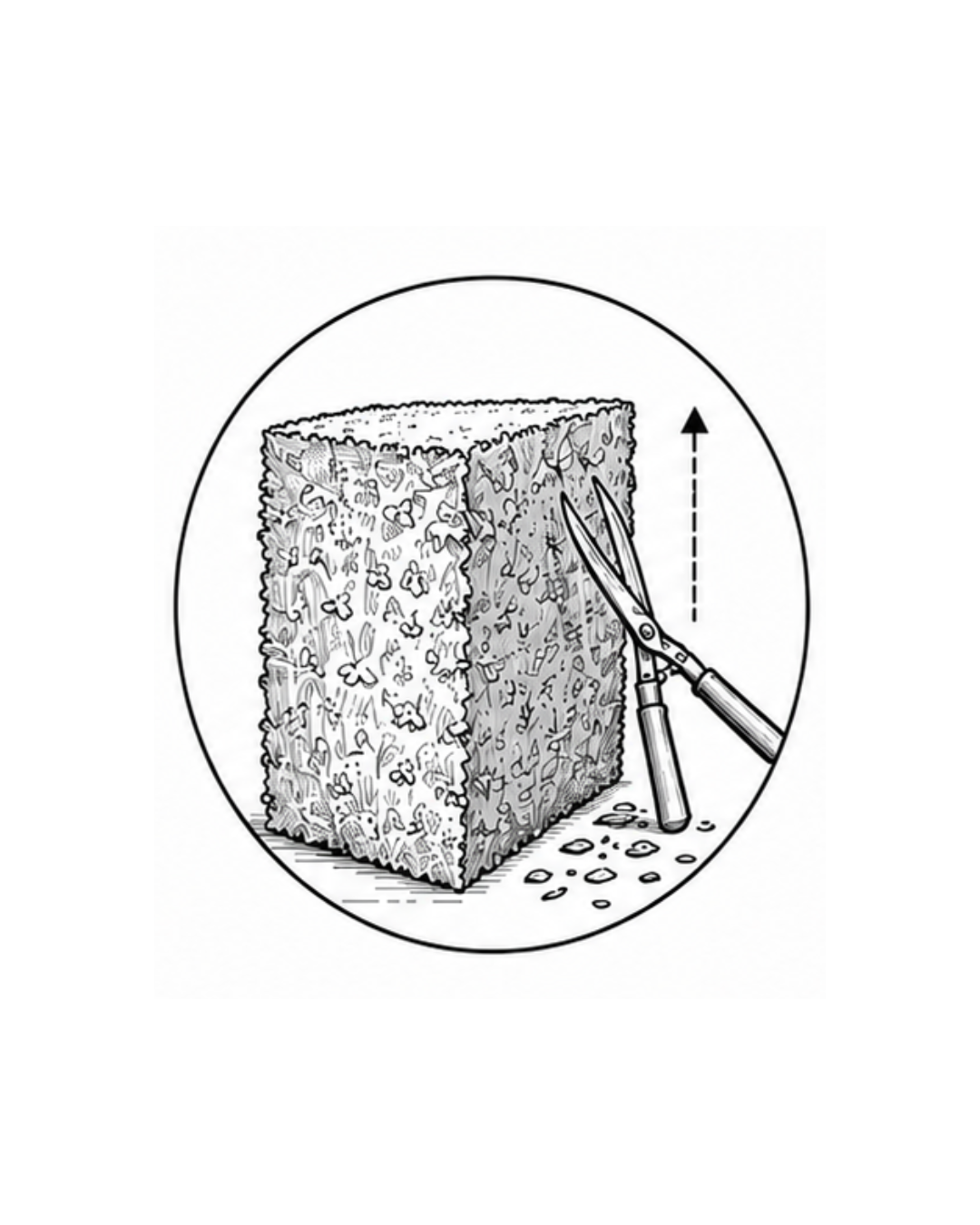
Start at the bottom and gradually work upwards, trimming evenly along the sides. This helps stop clippings from falling onto areas that have already been cut, making the job easier and tidier.

Use steady, light cuts rather than heavy pruning and ensure your shears are straight against the face of the hedge. Don’t cut back into old wood unless the plant is known to handle it well.

Step 3

Step back from time to time to check the shape and make small adjustments where needed to maintain a neat, balanced, symmetrical hedge.

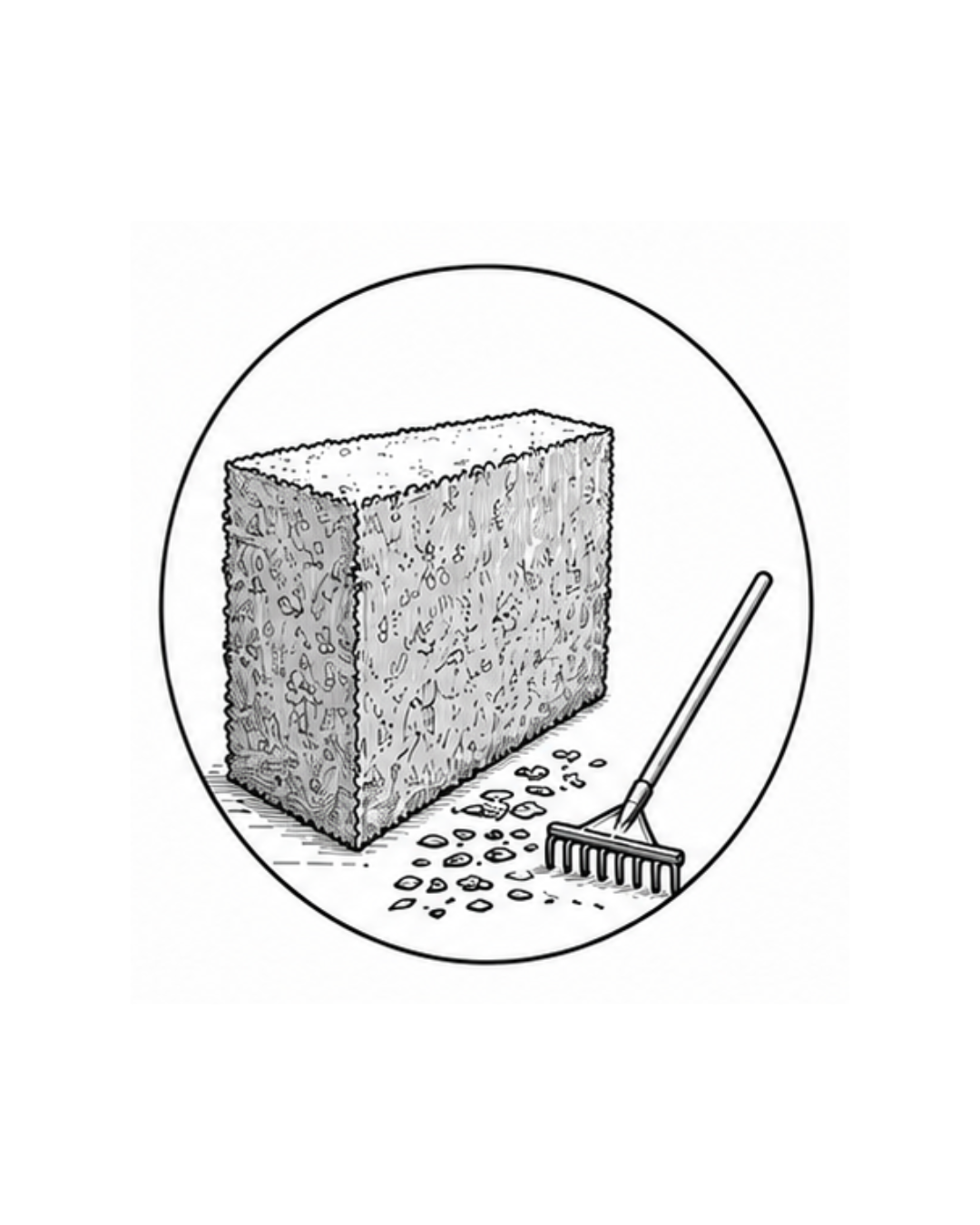
Remove any stray or uneven branches, then clear away clippings from the base to finish neatly.

Tips for pruning a formal hedge:

  • Trim lightly and regularly during the growing season to maintain shape
  • Keep the hedge slightly wider at the base than the top so sunlight reaches lower growth
  • Use sharp, clean tools for neat cuts and healthier plants
  • Prune little and often rather than cutting back heavily at once
  • Use a string line or regularly step back to keep edges straight and even
  • Tip-prune young growth to encourage a dense, compact hedge
  • Remove dead, damaged, or uneven branches to maintain a tidy appearance
  • Avoid pruning during extreme heat, frost, or drought conditions

How to Prune an Informal Hedge - the Simple Three Step Guide

Step 1

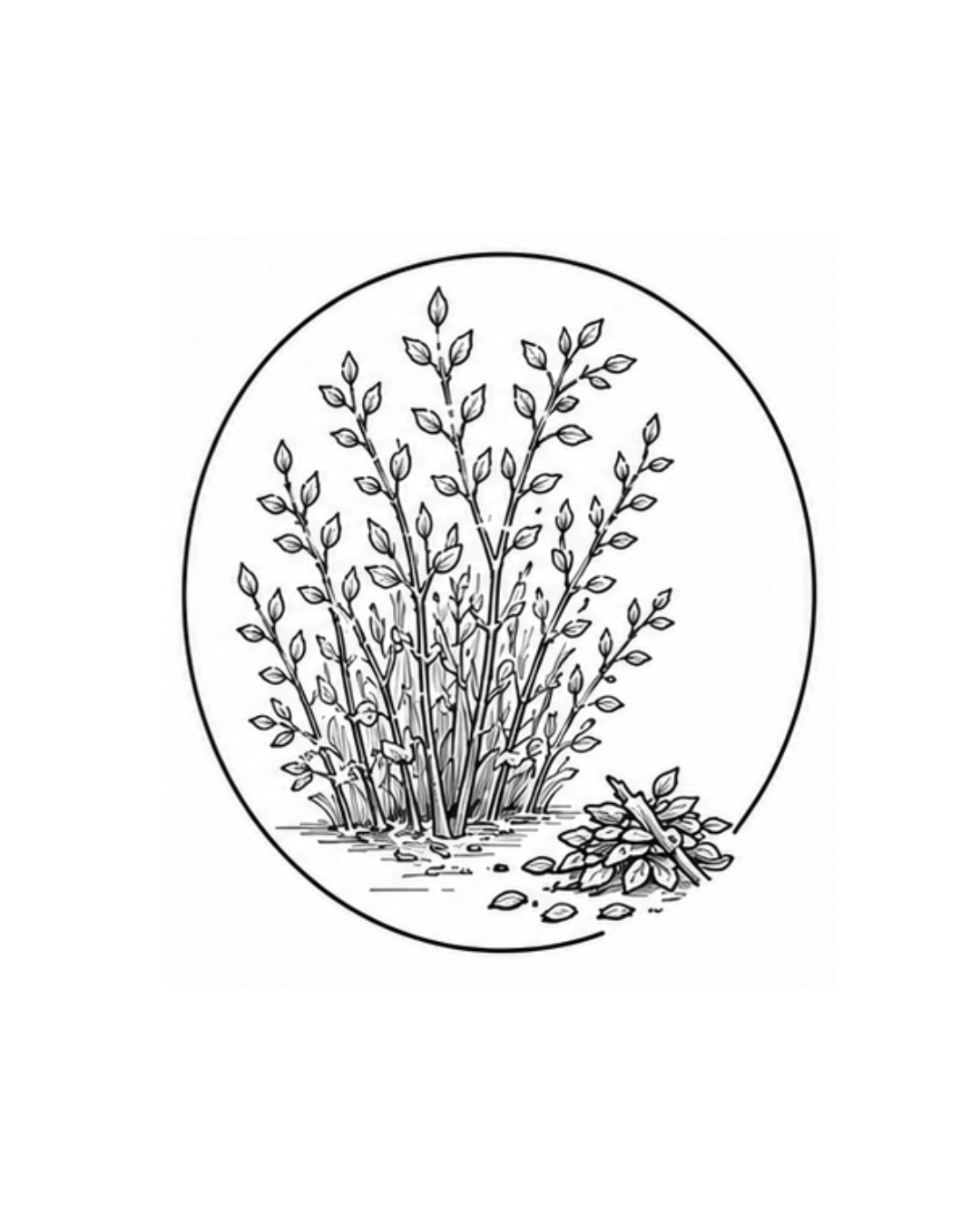
Remove any dead, damaged, diseased or overly long stems. Decide how much growth you want to remove to lightly reduce the size of the plant, while keeping a natural, relaxed shape.

Step 2

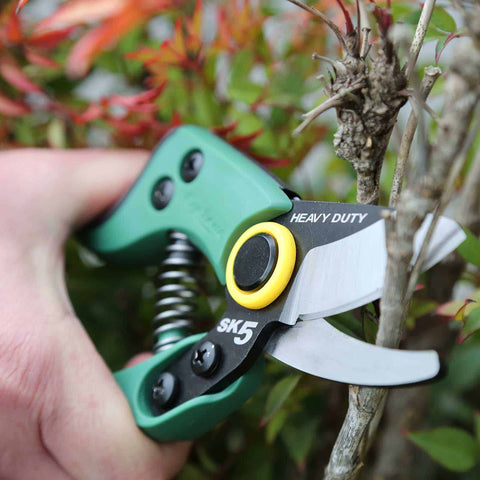
To create a soft, natural shape, use secateurs or loppers to prune selectively rather than clipping evenly. If you are pruning a flowering hedge, be sure to prune after the flowers have finished. Pruning at the wrong time of year can reduce or even prevent flowering.

Step 3

Step back regularly to check your work and make small, selective adjustments where needed. Remove clippings and any unwanted growth at the base to leave the hedge looking neat but natural.


Tips for pruning an informal hedge:

  • Remove dead, damaged or diseased growth
  • Prune lightly to maintain the plant’s natural shape rather than creating sharp lines
  • Use sharp, clean tools for neat cuts and healthier plants
  • If the hedge is a flowering variety trim after blooming, so that you don’t sacrifice your flowering display     
  • Avoid over-pruning. Informal hedges look best with a softer, relaxed form
  • Cut back overly long or untidy stems to keep the hedge balanced
  • Use secateurs or loppers for more selective, natural-looking cuts

Maintaining your hedge 

Once your hedge has reached the desired height and width, you can maintain it with regular trimming to remove most of the new growth from the past year.

This is typically done once a year for informal hedges, and up to three times a year for formal hedges. Fast growing hedges like Lilly Pilly or Photinia may need a bit more attention during peak growing periods.

The Right Tools for the Job

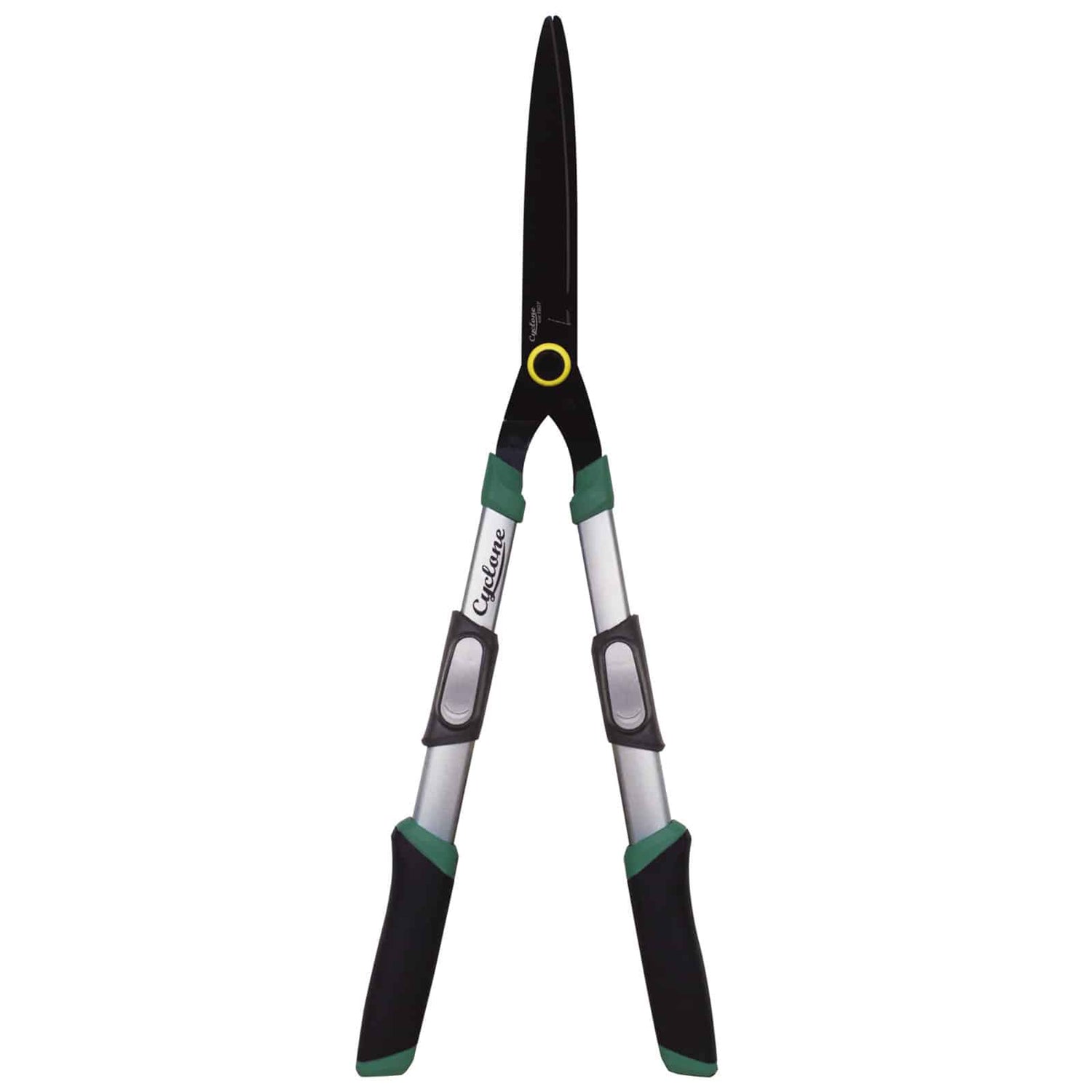
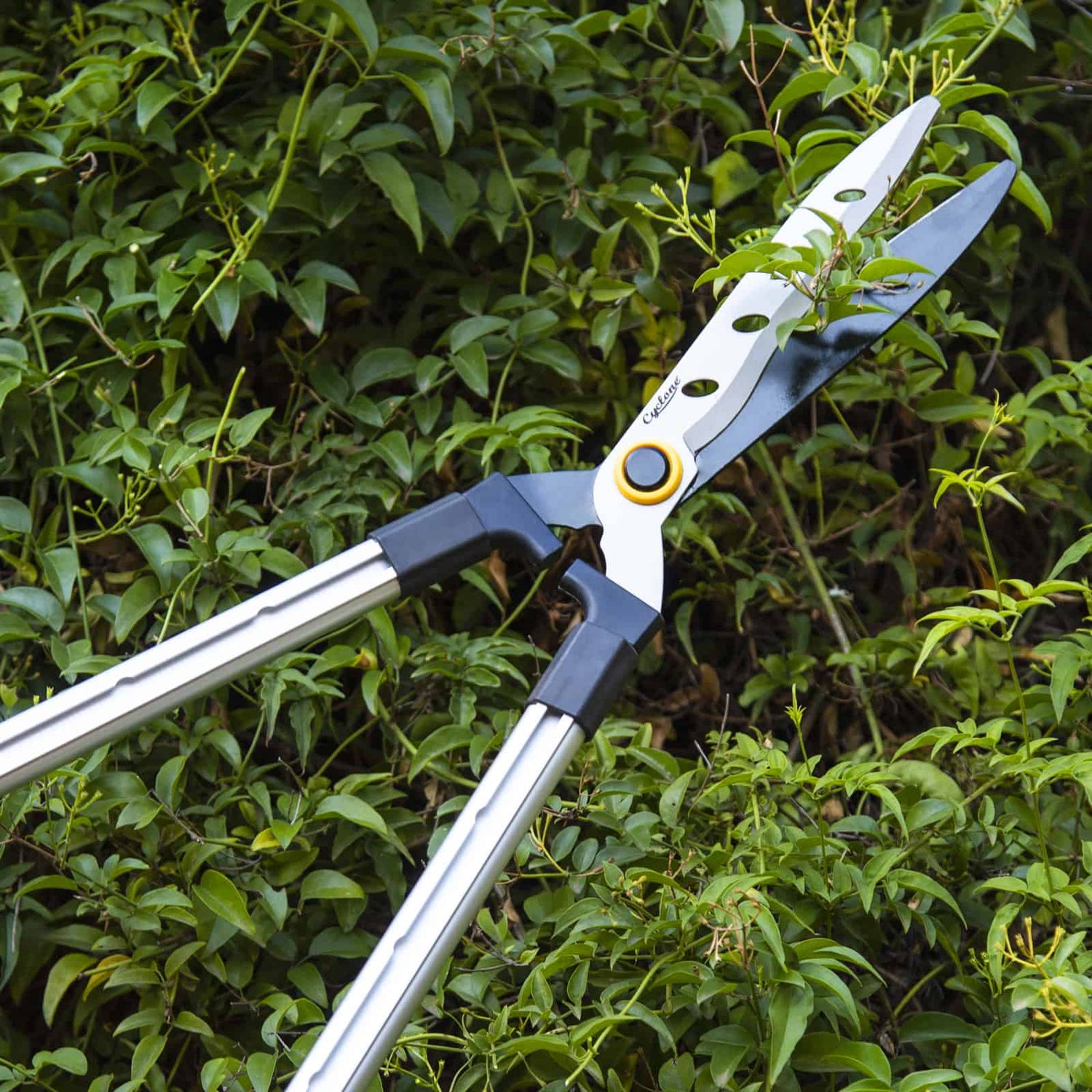
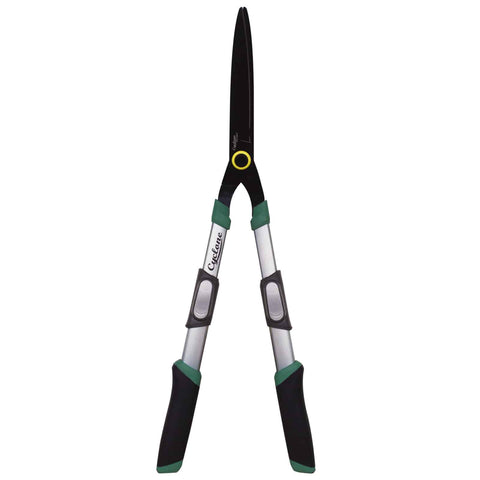
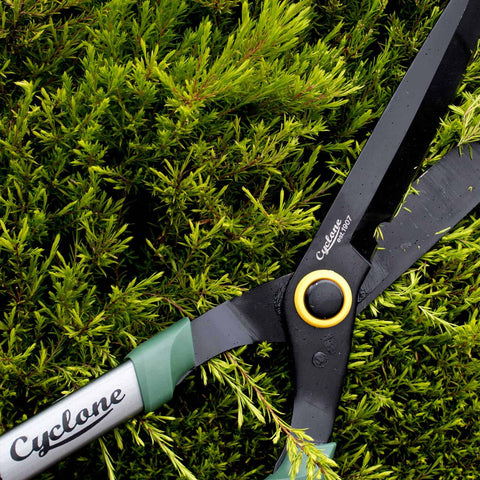
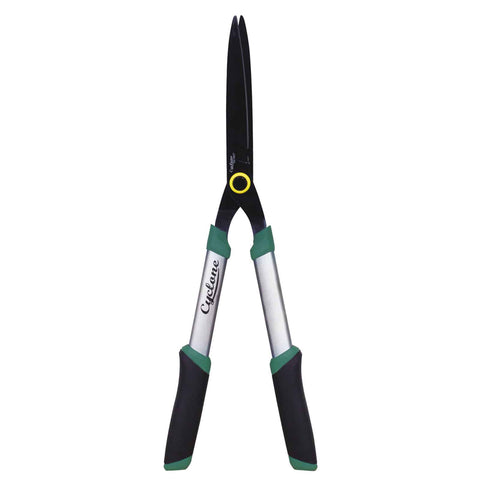
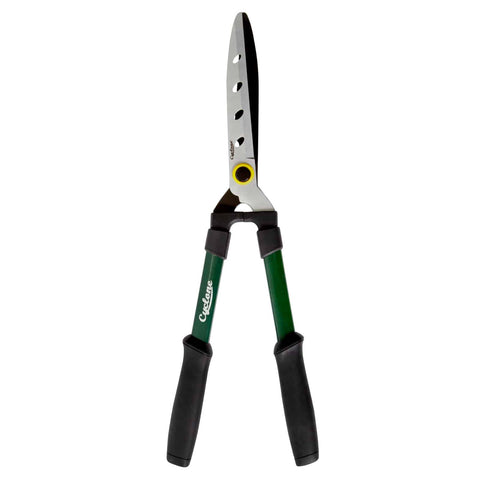
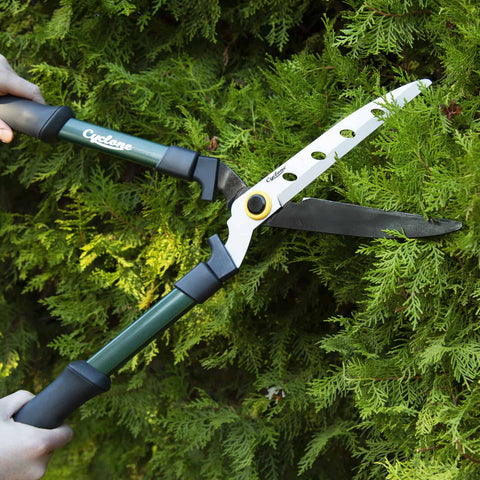
Cyclone Telescopic Hedge Shears

There’s something really satisfying about the precision and control you get trimming a hedge with hand shears. Make the job of crafting a formal or informal hedge easy with a pair of Cyclone Telescopic Hedge Shears. They have long, straight, powerful blades that are designed cut neat, straight tops, sides and corners to create the perfect hedge. The hand grips are large and contour perfectly to your palms, so they are comfortable to hold for long periods and give you superior control for sculpting a formal hedge.

At a technical level, an anti-friction pivot bearing makes the job easier, so you can prune comfortably for longer. They also feature extendable handles (up to 83 cm) for greater reach, making them also ideal for tackling taller plants, hedges or hard to reach borders. A quality pair of hedge shears can also be useful if you’re cutting back lots of ornamental grasses or perennials.

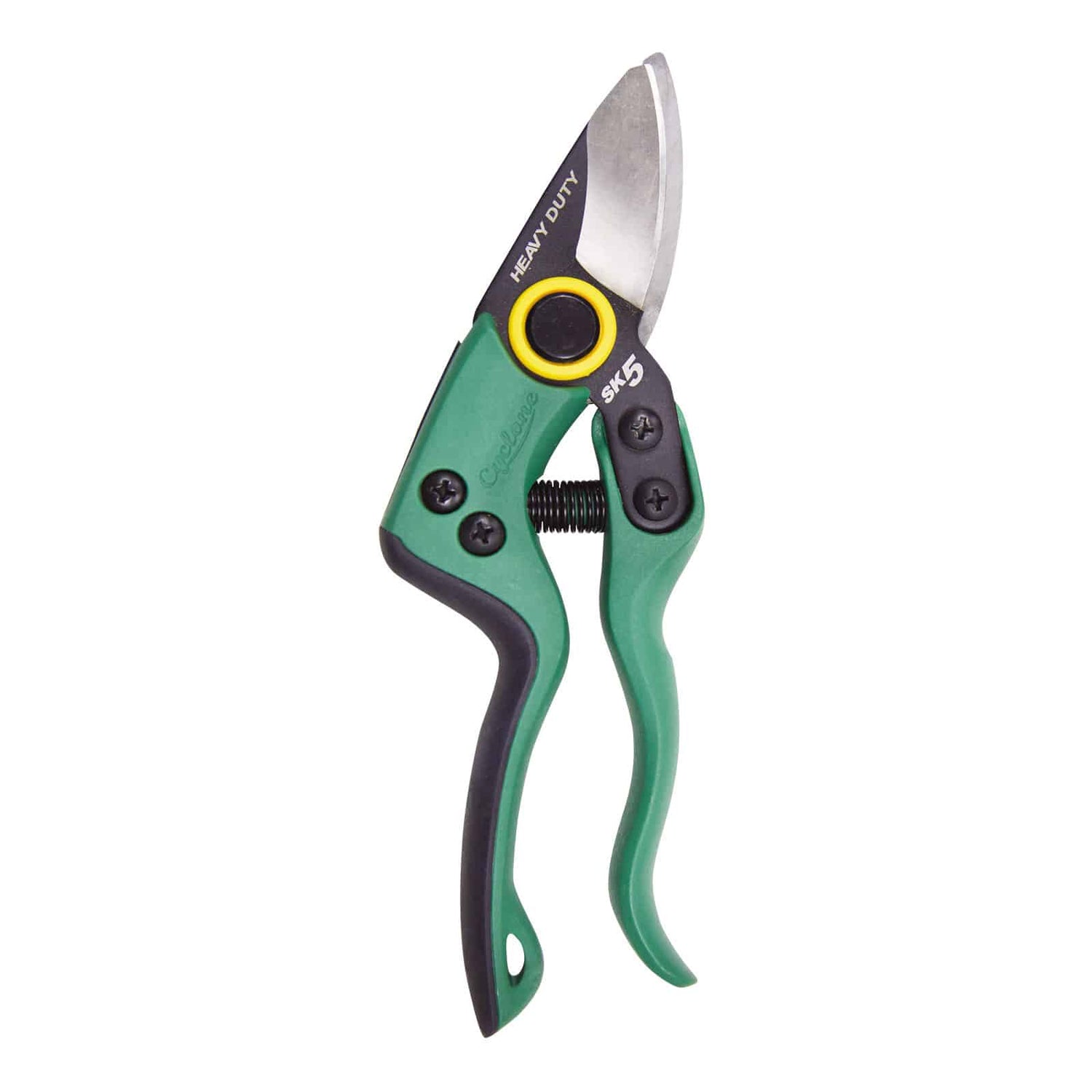
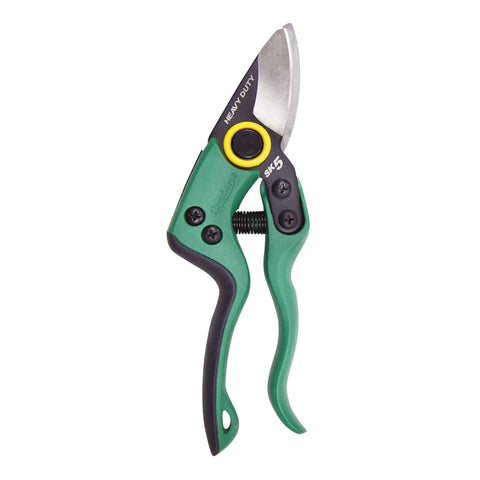
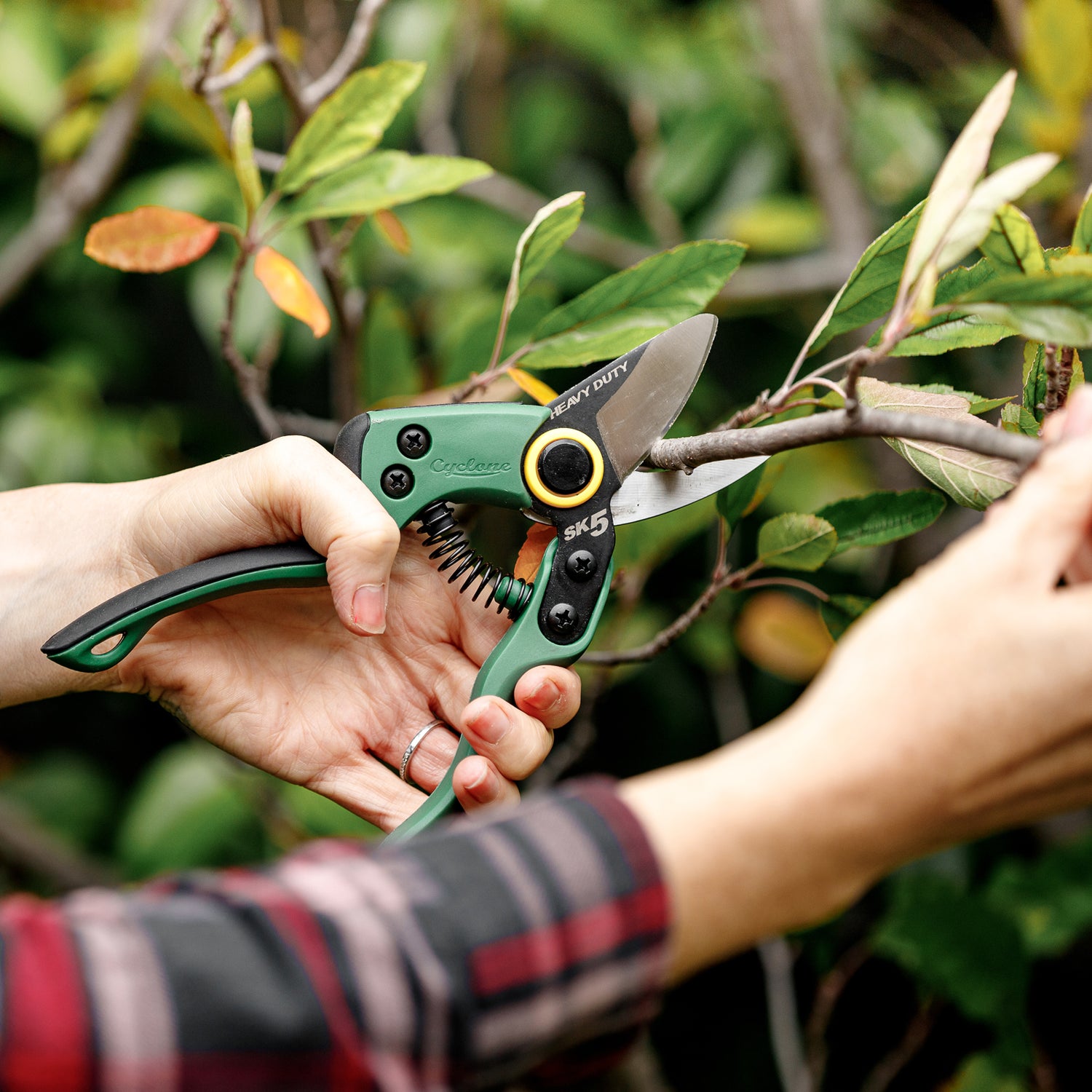
Cyclone’s Heavy Duty Bypass Pruner

For selective pruning on an informal hedge, reach for Cyclone’s Heavy Duty Bypass Pruner, which provide extra comfort and control through intensive pruning periods. Tackling a hedge is a workout for you and your pruners, so you’ll appreciate the soft-grip over-mould handles, which help reduce hand fatigue and give you better control and comfort while you work.

The high carbon steel blades are non-stick, simple to clean and slice through branches neatly and easily, without inflicting unnecessary damage on your plants. They also feature a finger/thumb blade slide lock, so you can easily put them away safely between jobs. Best of all, they are compact tools that you can carry around with you to help you stay on top of essential pruning jobs and keep your garden thriving.

Quality tools make all the difference

Using the right tool makes pruning cleaner, easier and more precise. It also gives you better control, allowing you to shape the hedge accurately and work more efficiently with less effort.

Dull blades can tear foliage instead of cutting cleanly, leaving a messy finish and making the plant more prone to disease. For best results, make sure blades are cleaned and sharpened before use.

Trusted Tools for Aussie Gardeners

Explore Cyclone's range of high-performance pruning tools.

Aftercare: Help plants bounce back

After trimming, water your hedge deeply to help it recover and encourage fresh growth. Apply mulch around the base of your plants to help retain moisture and regulate soil temperature and use a balanced controlled-release fertiliser if the plant needs an extra boost. Clean up any clippings to reduce the risk of pests and disease.

Avoid heavy pruning again too soon, to allow the hedge to bounce back between trimming. Keep an eye out for signs of stress, pests or disease, and once new growth kicks in, go back to light, regular trimming to maintain density and shape.

Final thoughts: Prune regularly for healthier hedges

For thriving hedges, regular pruning is key. Pruning can be done season after season just be sure to check the best timing and techniques for the specific hedge variety, you’re working with before trimming.

With the right tools and a regular maintenance routine, hedge pruning becomes a simple job that keeps your garden looking neat, healthy and
under control year-round. A little upkeep throughout the seasons helps
encourage stronger growth, better shape and a denser hedge over time.

If you’d like help choosing tools to meet your needs, find your local store or browse our website.