657238
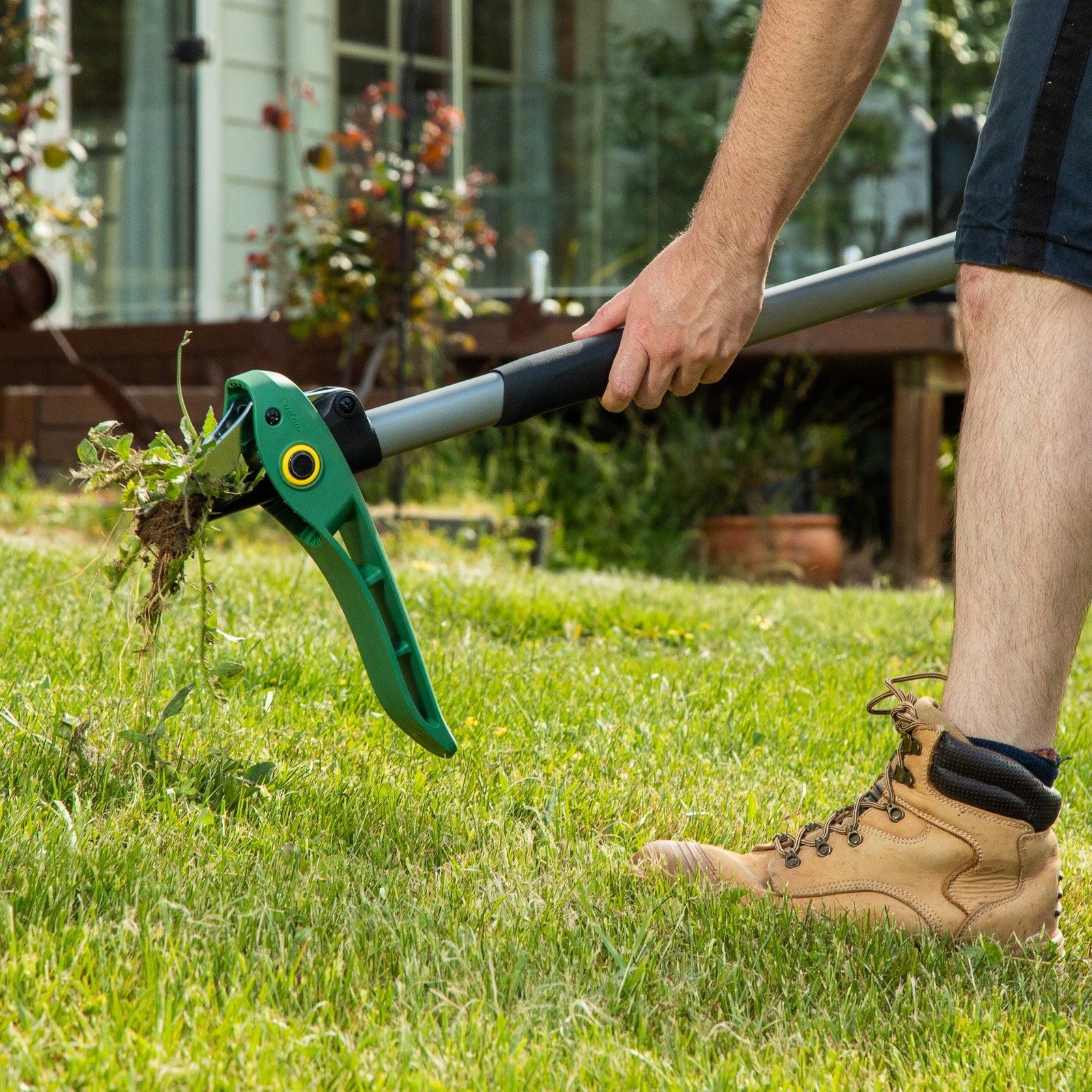
Winter weeds can quickly take over your lawn and garden if you don’t get on top of them early, but a little effort now will save you a lot of work later. down the track. It’s also much easier to remove weeds, roots and all, when the soil is nice and moist, making the job simpler and more effective. Knowing what you’re dealing with and using the right tool makes all the difference, so here’s our simple guide to common winter weeds and how to tackle them.

Bindii is a low-growing winter annual weed that often starts germinating in autumn. While it’s best known as a lawn weed, it can pop up anywhere there’s open or compacted soil. In lawns, it often goes unnoticed through the cooler months, but by spring and summer it becomes a real problem just as we’re spending more time outdoors. As it matures, it produces hard, prickly seed heads that make walking on the lawn an uncomfortable experience and the seeds easily stick to shoes, socks and pets, helping it spread. Mowing can also help spread the seeds if they’re already formed.
Tiptoeing across the lawn to avoid burrs is usually a clear sign you’ve got bindii. But it’s much easier to manage earlier in the season, so look out for its low, feathery, parsley-like rosette and small yellow flowers before the prickly seed heads appear.
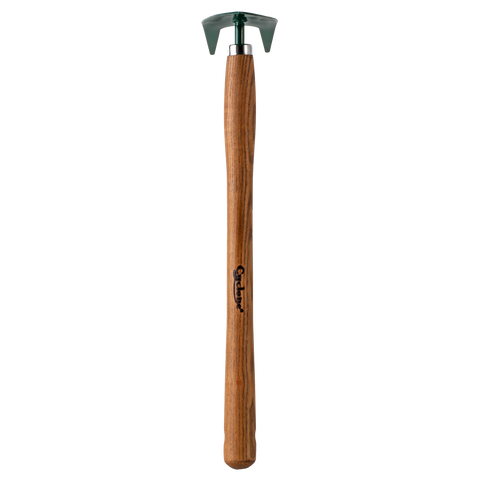
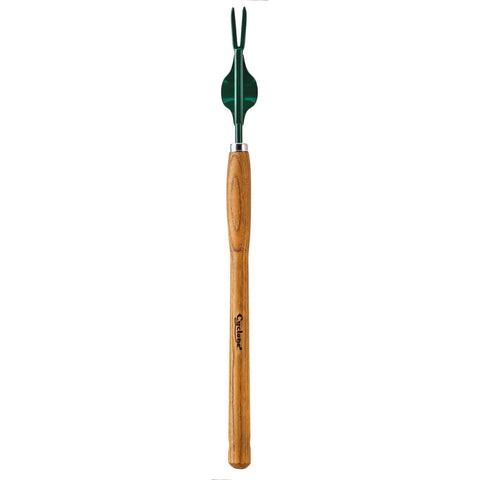
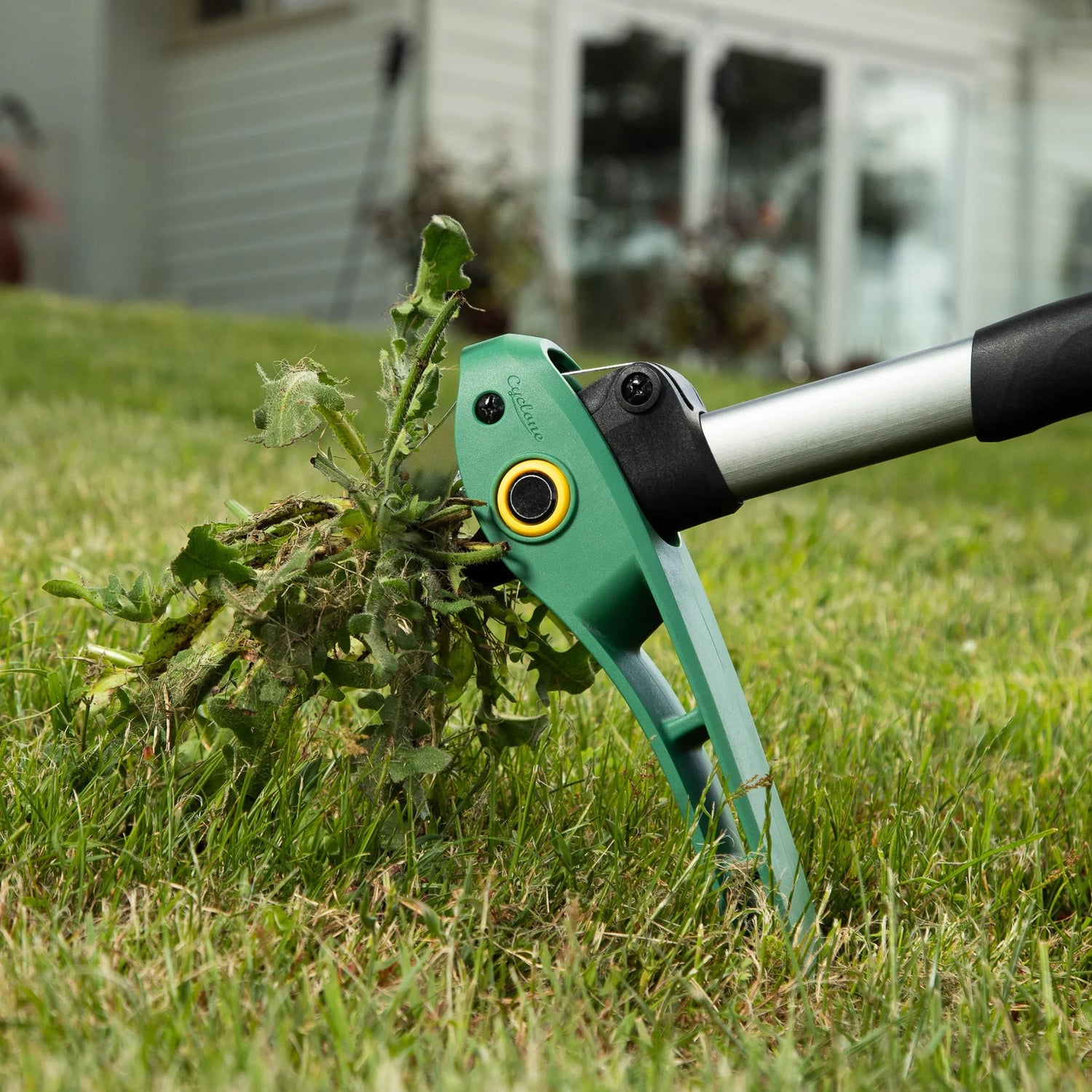
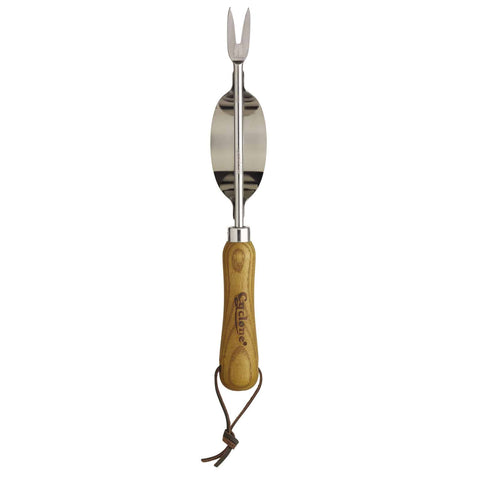
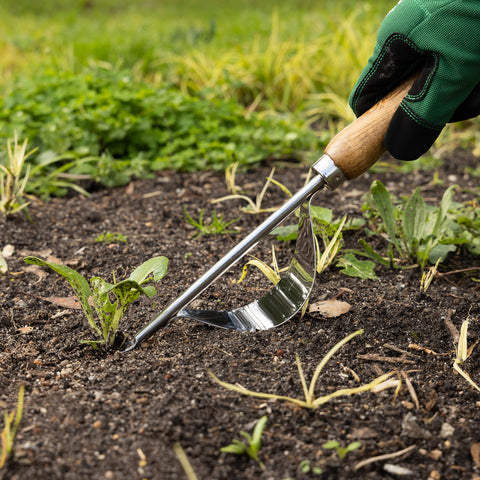
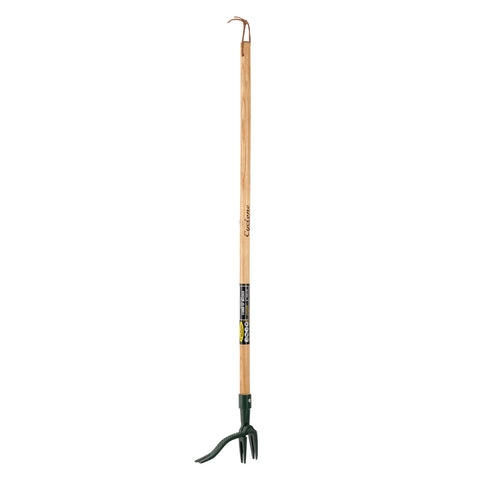
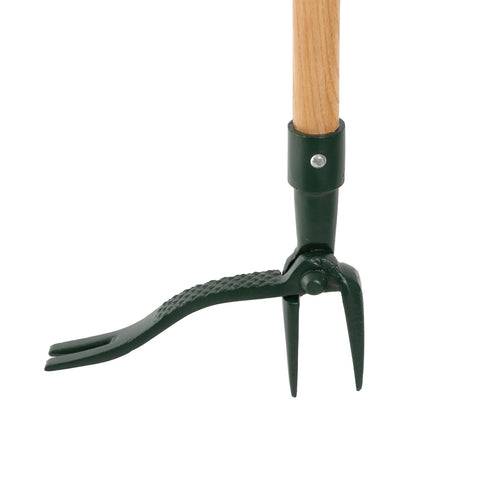
The right tool for the job: Best removed with a hand weeder or a three-prong weeder cultivator, lifting the entire rosette before seed heads form to stop it spreading.
Tip: If your lawn is a bindii battlefield it could be a sign of poor soil nutrition, so thicken and improve the health of your lawn with a lawn specific slow-release fertiliser. Apply it in early autumn, before Bindii season. It also helps to keep your lawn a little longer in autumn and winter to help stop bindii from invading. Bindii also flourishes in hard compacted soil, so stay on top of your aerating.

Winter grass is a common cool season annual weed that germinates in autumn as temperatures cool and moisture levels rise. Its bright green clumps often stand out against surrounding turf, quickly competing for water and nutrients. Left unchecked, it produces large numbers of seeds that can remain viable in the soil for years.
Look for its soft, lime-green leaves and distinctive seed heads, which can appear even in regularly mown lawns. Early control before plants set seed is the key to preventing future infestations.
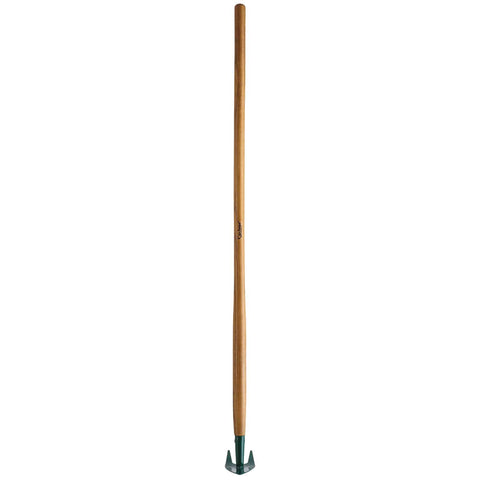
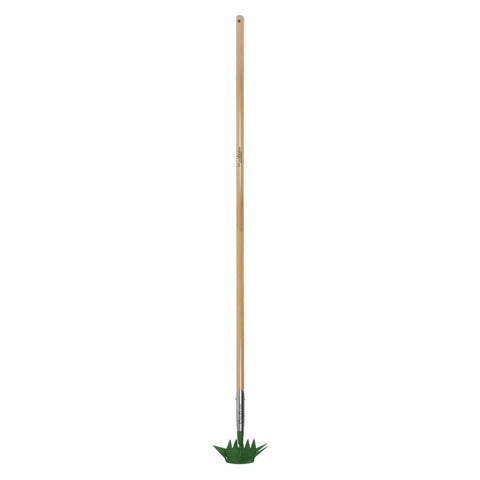
The right tool for the job: Use a hand weeder or weeder hoe to carefully lift clumps and roots. Be sure to remove plants before they set seed.
Clover is a low-growing weed that spreads by creeping across lawns and garden beds, forming dense patches that compete with other plants for space, water and nutrients. It's easy to spot thanks to its distinctive three-part leaves and, in spring and summer, its small white or pink flowers. Left unchecked, clover can spread quickly and become difficult to control. Thick, healthy grass is the best defence against clover in your lawn.
The right tool for the job: Use a hand weeder or weeder hoe to lift creeping stems and roots from garden beds. Be sure to tackle young patches before they spread.

Oxalis is a common broadleaf weed that can quickly become a problem in lawns, garden beds and paved areas. It grows from small underground bulbs and spreads easily, making it hard to get rid of once established. It thrives in the cooler months, putting on lush growth through autumn and winter before producing small yellow flowers in spring.
It’s easy to recognise by its clover-like leaves made up of three heart-shaped leaflets. Oxalis often forms dense patches that compete with other plants for space, water and nutrients. When hand-pulling small infestations or young plants, it’s important to remove as much of the plant and surrounding soil as possible, as any remaining bulbs can quickly reshoot and spread.
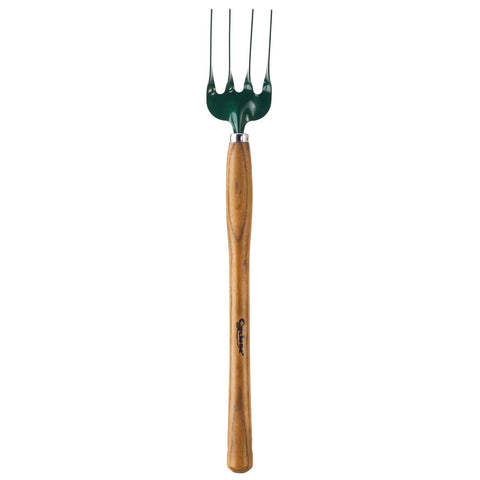
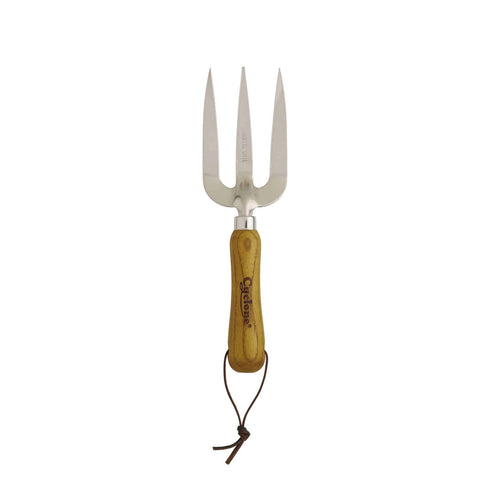
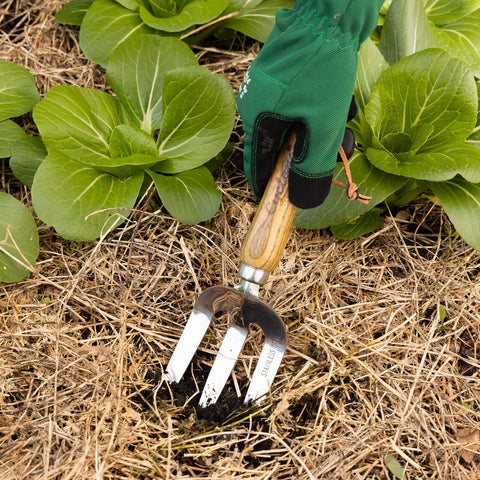
The right tool for the job: Use a weeder hoe or hand fork to dig down and remove as many bulbs as possible, not just the leaves.
Chickweed is a fast-growing annual weed that thrives in the cool, moist conditions of autumn and winter. It forms dense mats that can smother seedlings and compete with lawn grasses and garden plants for water and nutrients. Left unchecked, it spreads quickly and produces large amounts of seed, allowing it to return year after year.
It’s easy to recognise by its small oval leaves, fine stems and tiny white star-shaped flowers. While it may look harmless, it can take over bare soil fast. Young plants are easy to pull by hand, especially in moist soil, so regular checks through winter and early removal are the best way to keep it under control.
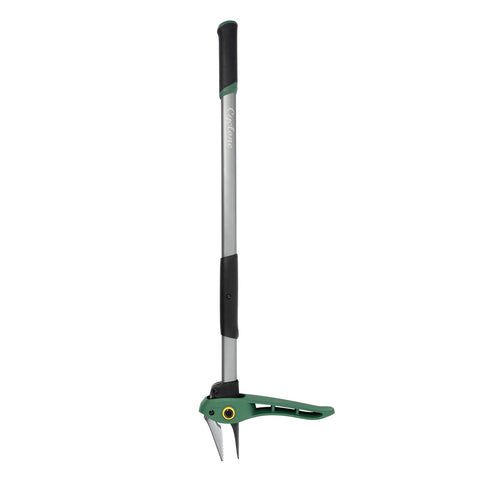
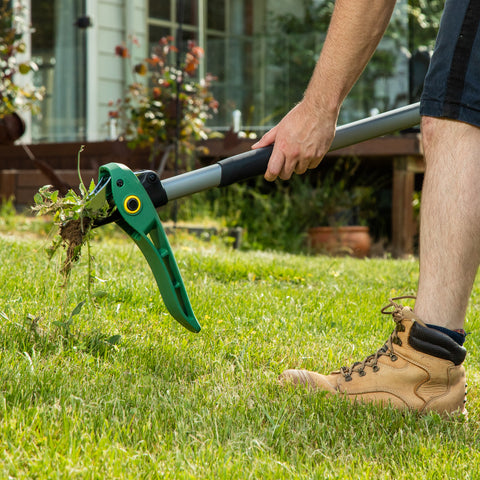
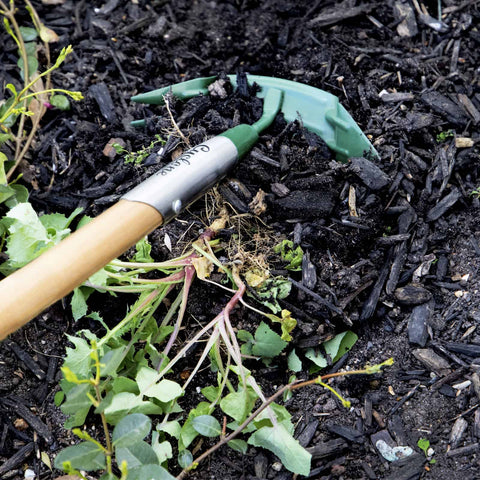
The right tool for the job: A hand weeder or long handled multi-surface weeder is ideal for lifting shallow roots and mats, especially when the soil is moist for easier removal.
1.Water lightly or wait for rain
It’s best to weed after rainfall or lightly water the area first. Moist soil
makes it easier to remove the weed, root system and all.
2. Identify the weed first
Take some time to identify the weed first, so you know what you’re dealing
with. Different weeds often need different approaches.
3.Remove the whole root system
Use the right tool to lift the entire plant, not just the leaves. Tools like a
hand weeder, garden fork or weeding hoe help loosen soil and remove roots
cleanly. For bulb or runner weeds, take extra care to get as much below the
surface as possible.
4. Dispose of carefully
Bag and bin any weeds that are flowering or setting seed. Don’t throw them in the compost, because it can spread seeds back into the garden.
5. Repair bare patches
Fill any gaps left behind with soil, seed or mulch to stop new weeds from taking hold in exposed areas.
6. Keep the garden healthy
Maintain regular mowing, watering and feeding so desired plants grow strongly and naturally crowd out or smother future weeds


Removing winter weeds early and staying on top of them throughout the season is one of the best ways to keep your garden healthy. Identifying the type of weed you're dealing with will help you choose the most effective removal method.
While weeding is a year-round task, winter is an ideal time to tackle it, as moist soil makes it easier to remove weeds by the roots.
For the best results, use the right tools for the job and maintain a regular weeding routine. A little effort now will save you time and prevent weeds from taking over as the weather warms.
If you’d like help choosing tools to meet your needs, find your local store or browse our website.